Author name: Salah

The Power of Display: Crafting a Stunning Gallery Wall

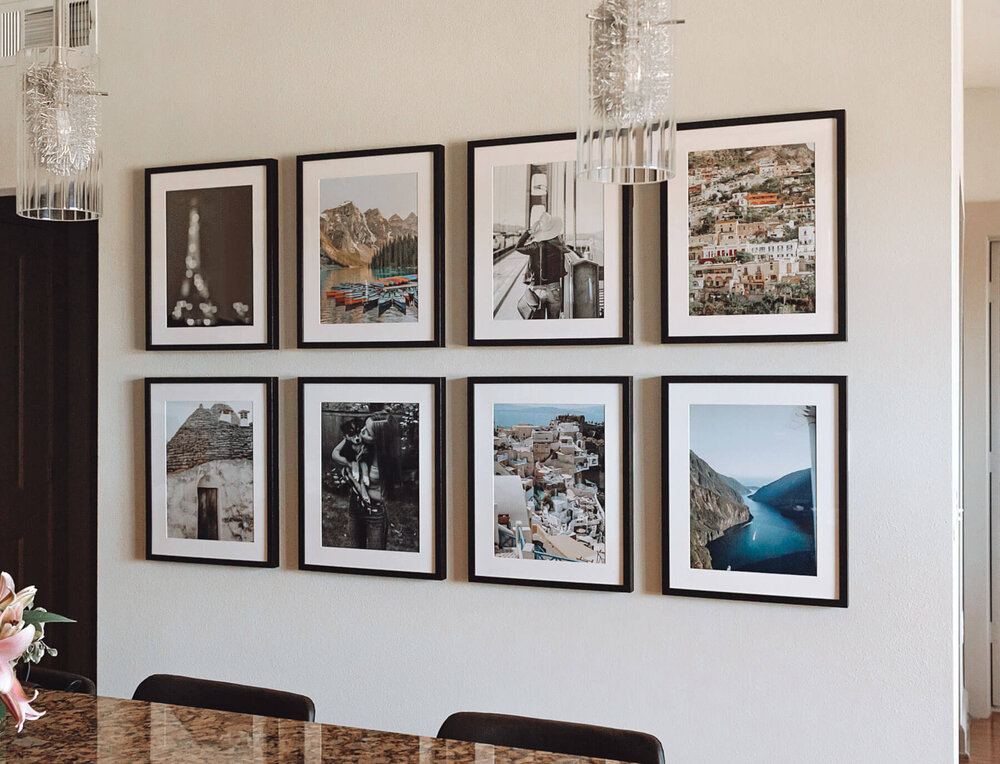
A gallery wall is a beautiful and personal way to showcase your favorite artwork, family photos, and meaningful mementos. Whether you have a large collection of art pieces or just a few special items, creating a gallery wall can be a fun and rewarding project that transforms any room in your home. When crafting a gallery wall, it’s essential to start by choosing a wall that will serve as the backdrop for your display. The wall should be large enough to accommodate all of your items, and it should be free from any electrical outlets, windows, or doors that might disrupt the flow of the display. You should also consider the lighting in the room and choose a wall that receives good natural light, as this will help to highlight the items on your gallery wall. Once you’ve chosen your wall, it’s time to start selecting the items you want to include in your gallery wall. This can include anything from paintings and photographs to prints, posters, and other decorative objects. When selecting your items, consider their size, color, and subject matter, and try to choose pieces that complement each other and work well together. Once you have your items, it’s time to plan the arrangement of your gallery wall. This can be done by creating a template of your wall and experimenting with different arrangements on paper. You can also use online tools, such as Gallery Wall Planner, to visualize your arrangement before you start hanging your items. When hanging your items, it’s essential to use the right hardware and to hang them at the correct height. Heavy items should be hung on a wall stud, and smaller items can be hung using picture hanging wire or picture hanging strips. The height at which you hang your items will depend on the size of the wall and the items you’re hanging, but a good rule of thumb is to hang the center of the piece at approximately eye level. Once your items are hung, you can start to play with the spacing between the pieces. A good rule of thumb is to leave between two and four inches between each item, but you can also play with negative space and create larger gaps between items for a more dramatic look. When arranging your items, consider creating a focal point, such as a large painting or photograph, and arranging the other items around it. When it comes to creating a gallery wall, the options are endless, and you can get as creative as you like. If you have a large collection of items, you can create a grid-style gallery wall, with each item in its own separate frame. If you have a smaller collection, you can create a more relaxed, eclectic display by mixing and matching different frames, styles, and sizes. Another way to create a unique and personal gallery wall is to incorporate personal mementos, such as family photographs, ticket stubs, and other sentimental items. This type of gallery wall not only showcases your favorite art pieces but also tells a story about you and your life. You can use a variety of frame styles, from traditional to contemporary, to create a display that is both stylish and personal. Incorporating different textures into your gallery wall can also add depth and interest to your display. This can be achieved by mixing and matching different frame styles and materials, such as wood, metal, and acrylic. You can also add texture by incorporating three-dimensional objects, such as sculptures, into your display. Finally, don’t be afraid to play with color on your gallery wall. You can choose to use a single color palette throughout your display or create a more vibrant, eclectic look by incorporating different colors and patterns. A gallery wall can also be a great way to add a pop of color to a neutral room, creating a bold and impactful statement. Consider incorporating colorful artwork, frames, or even paint on the wall behind your display to create a vibrant, eye-catching backdrop. In conclusion, creating a gallery wall is a fun and personal way to showcase your favorite art pieces and sentimental items. With the right planning and execution, you can create a beautiful and impactful display that adds style, texture, and personality to your home. Whether you choose a grid-style gallery wall, an eclectic display, or a gallery wall featuring personal mementos, the possibilities are endless, and the result will be a stunning and unique display that reflects your personal style and taste. So, don’t be afraid to get creative and experiment with different styles, textures, and colors – the results will be a beautiful and impactful gallery wall that you’ll be proud to display in your home.

The Power of Display: Crafting a Stunning Gallery Wall Read More »
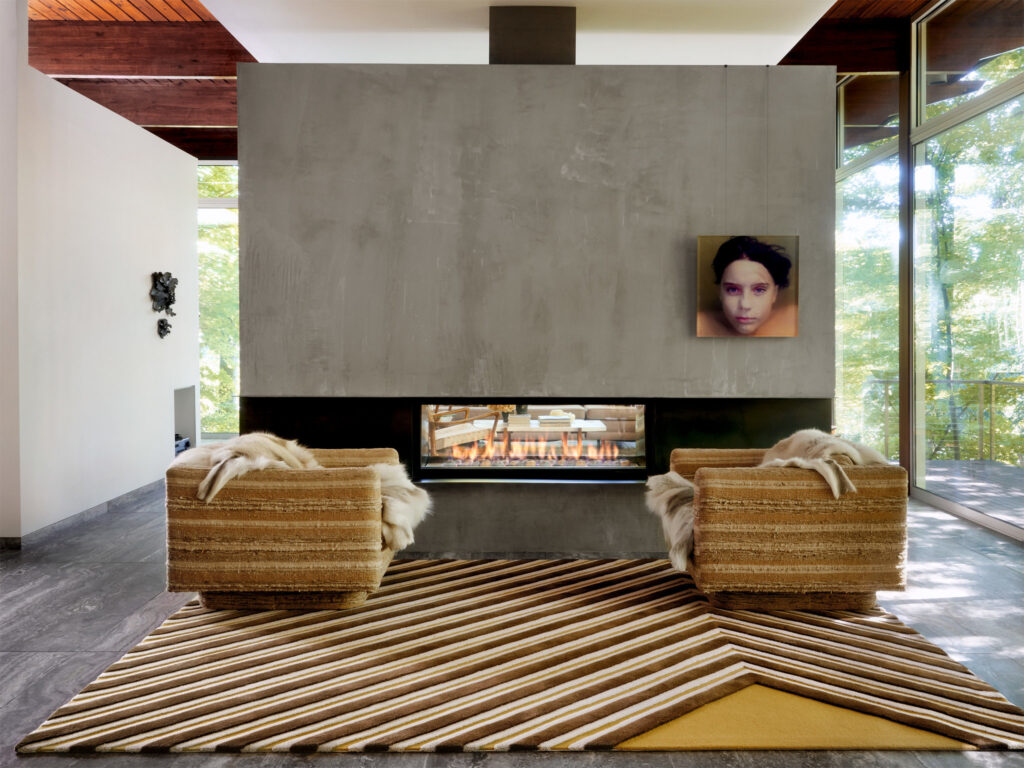
Creating Cohesion: The Art of Defining Spaces with Rugs

A rug is much more than just a floor covering. It can add texture, color, and warmth to a room, as well as create a sense of unity and cohesion between different design elements. Whether you’re looking to define a seating area, anchor a room’s decor, or simply add some personality to your space, rugs can be an essential tool for creating a polished, well-designed home. In interior design, a rug can play a critical role in defining a space. By placing a rug in a specific area, you can instantly create a designated seating or living area within a larger room. This can be especially useful in open-plan living spaces, where it can be difficult to differentiate between different functional zones. A rug can also help to anchor furniture and create a sense of structure in a room, making it feel more cohesive and put together. When choosing a rug to define a space, it’s essential to consider size. The rug should be large enough to accommodate all of the furniture in the designated area, with a minimum of six inches of bare floor showing around the edges. If the rug is too small, it will look lost in the space, and if it’s too large, it may overpower the room and make it feel cluttered. Another important factor to consider is the pattern and color of the rug. A solid-colored rug can create a sense of calm and serenity in a room, while a patterned rug can add interest and texture. When selecting a rug with a pattern, consider the existing colors in the room, and choose a rug that complements or contrasts with those colors in an appealing way. If your room already has a lot of patterns and textures, a solid-colored rug may be a better choice, as it will not compete with the other elements in the space. Once you’ve chosen your rug, it’s important to place it correctly within the room. In a seating area, the rug should be centered under the furniture, with enough space around the edges to allow people to easily move around the room. In a dining room, the rug should extend at least 24 inches beyond the table on all sides, providing enough space for chairs to be pulled out without leaving the rug. In a bedroom, the rug should be placed under the bed, with enough space around the sides for you to easily get in and out of bed. Rugs can also be used to add warmth and texture to a room. Soft, plush rugs are a great choice for bedrooms and living rooms, where you want to create a cozy and comfortable atmosphere. Natural fiber rugs, such as jute or sisal, can add a rustic touch to a room, and are well suited to more informal spaces, like sunrooms or family rooms. Rugs made from synthetic materials, such as nylon or polyester, are durable and easy to clean, making them ideal for high-traffic areas like entryways and kitchens. In addition to defining spaces and adding warmth and texture, rugs can also be used to incorporate color into a room. If your decor is neutral and you want to add a pop of color, consider choosing a brightly colored rug to anchor the space. If you have a bold accent wall or statement piece of furniture, choose a rug in a coordinating color to bring the look of the room together. If you’re nervous about using a bright color in a large area, consider a smaller rug in the same hue to create a subtle accent. Rugs can also be used to create a sense of flow and unity in a room. If you have multiple rooms with open doorways, using rugs with similar colors, patterns, or textures can help to connect the spaces and create a sense of continuity. This can be especially effective in homes with an open-plan layout, where different functional areas blend into each other. By using rugs to link the spaces, you can create a cohesive look that ties the entire home together. In addition to defining spaces and adding warmth and texture, rugs can also be used to incorporate texture into a room. Whether you choose a shag rug, a boucle rug, or a flat-weave rug, the texture of your rug can help to add dimension and depth to a space. This can be especially effective in rooms with neutral furnishings, where texture can help to add interest and create visual appeal. Finally, rugs can also be used to add a touch of personality to a room. Whether you choose a vintage rug, a handmade rug, or a rug with a bold graphic design, a rug can help to reflect your personal style and make a room feel truly unique. In conclusion, rugs are a versatile and essential tool for defining spaces, adding warmth, texture, and color, and creating a sense of unity and cohesion in a home. Whether you choose a large area rug, a runner, or a smaller accent rug, the right rug can help to elevate the look of your space and make it feel complete. So, next time you’re looking to update your home, consider the many ways that rugs can help to define your spaces and bring your decor to life.

Creating Cohesion: The Art of Defining Spaces with Rugs Read More »

Hacks you can do to save money while having a unique home style

Saving money while still having a unique and stylish home can be a challenge, but it is definitely possible. With a little creativity and some smart hacks, you can achieve the home of your dreams without breaking the bank. In this article, we will discuss some of the top hacks you can do to save money while having a unique home style. 1. Shop at thrift stores and garage sales One of the best ways to save money on home decor is by shopping at thrift stores and garage sales. You can often find unique and vintage pieces for a fraction of the cost of what you would pay at a retail store. Not only will you save money, but you’ll also have a one-of-a-kind piece that you won’t find in anyone else’s home. 2. DIY Projects DIY projects are another great way to save money while having a unique home style. There are countless tutorials and videos online that can teach you how to make everything from farmhouse-style furniture to bohemian wall hangings. Not only will you save money by doing it yourself, but you’ll also have the satisfaction of knowing that you made it with your own two hands. 3. Repurpose Old Furniture If you have old furniture that you no longer want, instead of throwing it away, consider repurposing it. With a little paint and some new hardware, an old piece of furniture can be transformed into something new and stylish. This is a great way to save money and give new life to an old piece of furniture. 4. Use Rugs to Define Spaces Rugs are a great way to define spaces and add a pop of color to a room without breaking the bank. A large, statement rug can be used to define a living room or dining area, while smaller rugs can be used in bedrooms and bathrooms. Rugs are also a great way to add texture to a room, which can make it feel more inviting and cozy. 5. Add Plants to Your Home Plants are a great way to add life and color to a room without spending a lot of money. Not only do they purify the air, but they also add a touch of nature to your home. You can purchase plants from your local nursery or even grow them from seed. 6. Paint Your Walls Painting your walls is another great way to save money while having a unique home style. Not only is it relatively inexpensive, but it’s also a quick and easy way to change the look and feel of a room. Consider using bold, bright colors to make a statement or neutral tones to create a soothing atmosphere. 7. Use Mirrors to Make a Room Look Bigger Mirrors are a great way to make a room look bigger and brighter. Not only do they reflect light, but they also create the illusion of more space. Consider using a large mirror over a fireplace or a group of smaller mirrors to create a gallery wall. 8. Incorporate Textures Incorporating different textures can make a room feel more interesting and unique. Consider using a mix of fabrics, such as velvet and linen, or adding a knitted throw to a chair. You can also add texture to a room by using different materials, such as wood and metal. 9. Create a Gallery Wall Gallery walls are a great way to add personality and style to a room without spending a lot of money. Not only do they add visual interest, but they also provide a way to display your favorite art, photographs, or keepsakes. 10. Use Lighting to Set the Mood Lighting is a great way to set the mood in a room and can also be used to draw attention to certain areas.

Hacks you can do to save money while having a unique home style Read More »

7 Smart Strategies for Saving Energy in Home Heating

Heating your home is an unavoidable expense during colder months, but it doesn’t have to be expensive. There are plenty of ways to save energy when it comes to heating your home. With a few small changes, you can make your home more comfortable while significantly reducing your energy usage. 1. Invest in Programmable Thermostats Programmable thermostats are a great way to save energy in home heating. By pre-programming the thermostat, you can turn off the heat when you don’t need it and ensure your heater isn’t running unnecessarily. Set the temperature to an energy-saving level when you’re away from the house or asleep. 2. Install a Smart Sensor Smart sensors detect how much heat is needed in each room and can adjust the temperature accordingly. This means you don’t have to constantly adjust the thermostat and your heater is only working when it needs to be. 3. Upgrade to an Efficient Heating System Switching to a more efficient heating system, such as a heat pump, can save you a lot of energy. Heat pumps use less energy to produce the same amount of heat as a traditional furnace. Additionally, they can be used to both cool and heat your home, saving you money all year round. 4. Utilize Solar Power Solar energy is a great way to reduce your energy usage. Investing in solar panels can significantly reduce your energy bill as well as your overall carbon footprint. 5. Keep Drafts Away Drafts can cause your heater to work harder and use more energy than necessary. Caulk windows and doors to seal any drafts and keep your home at the desired temperature. 6. Insulate Your Home Proper insulation is key for energy savings in home heating. Make sure your attic, walls, and floors are properly insulated to keep heat in during the winter. 7. Utilize Window Coverings During the day, make sure your windows are open to allow sunlight to warm your home. When the sun sets, close the curtains or shades to keep the heat inside.

7 Smart Strategies for Saving Energy in Home Heating Read More »

Optimizing Glazing for Energy Efficiency in Windows and Doors

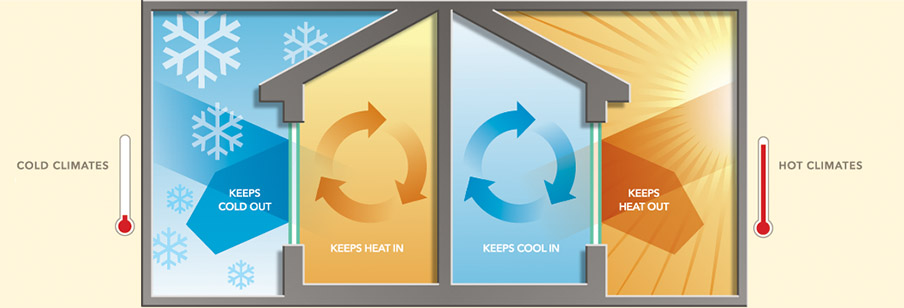
Windows and doors are not only a key part of home design, but also an important factor in energy efficiency. While traditional single-paned glass has been the standard for many years, the right glazing type can make a big difference in the amount of energy needed to keep your home comfortable Low-E glazing The most energy-efficient glazing type is Low-E glazing. This type of glazing is coated with a special metallic oxide layer that reflects heat and blocks UV rays, reducing the amount of energy needed to cool the home. Low-E glazing also helps reduce the amount of visible light entering the home, reducing the amount of glare. double-glazing Another type of energy-efficient glazing is double-glazing. This type of glazing consists of two pieces of glass with a sealed airspace between them. The airspace acts as an insulating barrier, trapping heat inside the home and preventing it from escaping. The double-glazing also helps reduce sound transmission. Insulated glazing Insulated glazing can also be an effective option for increasing energy efficiency. This type of glazing is made up of two glass panes with a sealed air layer between them and a plastic seal around the perimeter. The air layer helps reduce heat transfer, while the seal creates an extra layer of insulation. Weather stripping In addition to these glazing types, there are other ways to optimize windows and doors for energy efficiency. Weather stripping can be used to help seal gaps and prevent air leakage. And, tinted window film can be used to minimize heat gain during the summer months. By choosing the right glazing type and making other energy-efficient improvements, you can help reduce energy bills and help the environment. It’s important to consider the pros and cons of each glazing type and how they will affect your home. With the right combination of glazing and other improvements, you can save energy and money.

Optimizing Glazing for Energy Efficiency in Windows and Doors Read More »

Unlock the Benefits of Home Energy Efficiency: Start Saving Today!

Saving energy in your home is an important step in reducing your carbon footprint and lowering your utility bills. One way to do this is by choosing the right materials for your home’s construction and renovation projects. In this article, we will discuss the top materials that can help you save energy in your home. Insulation Insulation is one of the most important materials you can use to save energy in your home. Insulation helps to keep your home warm in the winter and cool in the summer by preventing heat loss and gain. There are several types of insulation available, including fiberglass, cellulose, and spray foam. Each type has its own benefits and drawbacks, so it’s important to choose the one that is best suited for your home. Windows Windows are another key area where you can save energy in your home. Windows can account for up to 25% of a home’s heat loss in the winter, and up to 30% of a home’s heat gain in the summer. To reduce this heat loss and gain, you should consider installing energy-efficient windows. These windows are made with special coatings that reflect the sun’s rays, and they are also designed to reduce heat loss. Roofing The roof of your home is also an important area to consider when trying to save energy. A poorly insulated roof can cause heat loss in the winter and heat gain in the summer, which will result in higher utility bills. To reduce this heat loss and gain, you should consider using a reflective roofing material. This type of roofing material reflects the sun’s rays, which can help to keep your home cooler in the summer. Siding The siding of your home can also play a big role in energy efficiency. Siding can help to keep your home warm in the winter and cool in the summer by preventing heat loss and gain. There are several types of siding available, including vinyl, wood, and fiber cement. Each type has its own benefits and drawbacks, so it’s important to choose the one that is best suited for your home. Doors Like windows, doors are another important area to consider when trying to save energy in your home. Doors can account for up to 15% of a home’s heat loss in the winter, and up to 20% of a home’s heat gain in the summer. To reduce this heat loss and gain, you should consider installing energy-efficient doors. These doors are made with special coatings that reflect the sun’s rays, and they are also designed to reduce heat loss. Lighting Lighting is another area where you can save energy in your home. Incandescent bulbs use a lot of energy, while compact fluorescent bulbs and LED bulbs use much less energy. By switching to more energy-efficient lighting, you can save a significant amount of money on your utility bills. Appliances The appliances in your home can also play a big role in energy efficiency. To save energy, you should consider using Energy Star-rated appliances. These appliances are designed to use less energy than standard appliances, which can help to lower your utility bills. Water Heating Water heating is another area where you can save energy in your home. To save energy, you should consider using an Energy Star-rated water heater. These water heaters are designed to use less energy than standard water heaters, which can help to lower your utility bills. In conclusion choosing the right materials for your home’s construction and renovation projects can help you save energy and lower your utility bills. By using insulation, energy-efficient windows and doors, reflective roofing and siding materials, energy-efficient lighting and appliances, and an energy-efficient water heater, you can achieve great levels of saving energy in you home.

Unlock the Benefits of Home Energy Efficiency: Start Saving Today! Read More »

Silencing the Walls: A Guide to Reducing Sound Transfer in Your Home

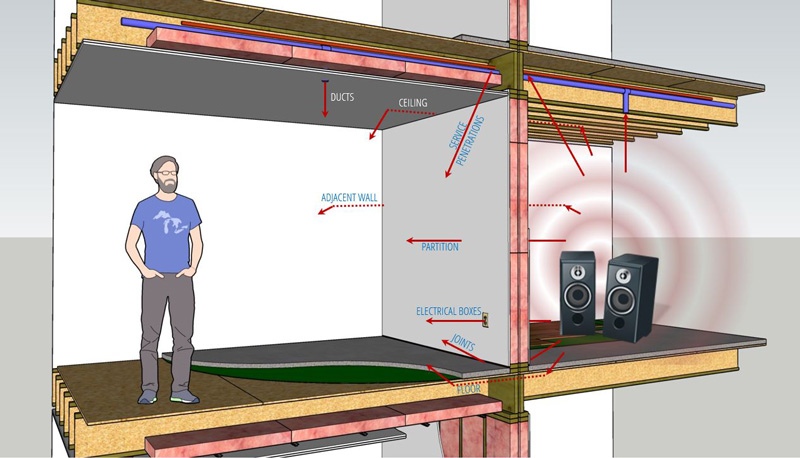
Soundproofing is a crucial aspect of creating a peaceful and comfortable living environment in your home. The presence of noise from adjacent rooms can be a nuisance, especially if you work from home or have young children who need a quiet space to sleep. In this article, we will discuss some simple steps to reduce sound transfer between rooms and partitions in your home. 1. Sealing Gaps and Cracks Sealing gaps and cracks around windows, doors, and electrical outlets is a crucial step in reducing sound transfer in your home. These gaps and cracks can allow sound to enter other rooms, creating a noisy and disruptive environment. To prevent this, you can use silicone caulk or weather stripping to seal the gaps. This simple and affordable solution can make a significant difference in reducing sound transfer in your home. 2. Adding Mass to the Walls Adding mass to the walls is another effective way to reduce sound transfer. You can add mass by adding a layer of drywall or installing soundproof panels to the existing walls. The added mass helps to block sound transmission, creating a quieter and more peaceful living environment. This is a great solution for homes in noisy areas or for those who work from home and need a quiet space to concentrate. 3. Installing Soundproof Drywall Installing soundproof drywall is a great option for those building a new home or renovating. This type of drywall has an added layer of mass and insulation that helps to block sound transmission. By installing soundproof drywall, you can create a peaceful and comfortable living environment, free from the noise and disruption of adjacent rooms. 4. Using Acoustic Caulk and Sealant: Acoustic caulk and sealant are essential for reducing sound transfer in your home. These materials can be applied to the joints between the walls and the ceiling, as well as around windows and doors, to help prevent sound from leaking into other rooms. They are an affordable and easy solution that can make a significant difference in reducing sound transfer in your home. 5. Adding Soundproof Insulation: Adding soundproof insulation to your walls and ceilings is another way to reduce sound transfer. Soundproof insulation materials like mineral wool, fiberglass, or foam can absorb and block sound, reducing the amount of noise that enters your space. This is a great solution for homes in noisy areas or for those who need a quiet space to sleep or work. 6. Installing Soundproof Windows Replacing your windows with soundproof windows is an effective solution for reducing sound transfer. Soundproof windows are designed to block out noise, providing a peaceful and quiet environment. They are an excellent investment for homes in noisy areas and can significantly reduce the amount of sound that enters your space. 7. Creating a Decoupled Wall Decoupling the wall from the floor and ceiling is another way to reduce sound transfer. This involves creating a gap between the wall and the adjacent surfaces, which helps to prevent sound from transmitting through the wall. This is a more advanced solution that requires some construction expertise, but it can make a significant difference in reducing sound transfer in your home. 8. Using Acoustic Panels and Soundproof Curtains Installing acoustic panels and soundproof curtains in your home can help to absorb and deflect sound, reducing the amount of noise that enters your space. These are an affordable and easy solution for reducing sound transfer, and they can be added to any room in your home. They are especially useful for those who work from home, or for those who need a quiet space to sleep or relax.

Silencing the Walls: A Guide to Reducing Sound Transfer in Your Home Read More »

Creating a Sound Haven: Choosing the Right Materials for Your Home Acoustics

Home acoustics play a crucial role in creating a comfortable and functional living or working space. However, choosing the right materials for your home acoustics can be a daunting task, especially if you are not familiar with the different options available. To ensure that you make the right choice, it is important to consider the specific needs of your space. If you have a room with a lot of hard surfaces, such as glass windows, hardwood floors, and concrete walls, you may want to use more absorption materials to reduce the amount of reflected sound. These materials include acoustic panels and bass traps, which are designed to absorb sound waves and reduce echoes. Acoustic panels are typically made of foam, fiberglass, or other materials that are effective at absorbing sound. They come in a variety of shapes, sizes, and colors, making it easy to find one that matches the aesthetic of your room. Bass traps are designed to reduce low-frequency sounds, such as bass from music or the rumble of traffic and are often placed in the corners of a room where low-frequency sounds tend to accumulate. If you have a room with a high ceiling, you may want to use acoustic ceiling tiles to help control sound reflections. These tiles are designed to absorb sound, and can be easily installed in a drop ceiling. They are also available in a variety of colors and finishes, so you can choose one that fits your room’s decor. Finally, if you have a room with a lot of echoes, you may want to use diffusers. Diffusers are designed to scatter sound waves, helping to reduce echoes and create a more balanced sound field. They come in a variety of shapes and sizes, and can be used on walls, ceilings, or even furniture. In conclusion, when choosing materials for your home acoustics, it is important to consider the specific needs of your space. Whether you have a room with a lot of hard surfaces, a high ceiling, or a lot of echoes, there is a material that can help improve the sound quality of your room. Take the time to research your options and find the materials that are right for you.

Creating a Sound Haven: Choosing the Right Materials for Your Home Acoustics Read More »

Elevate Your Ears: Simple Tips for Enhancing the Acoustics in Your Home

Improving the acoustics in your home can greatly enhance the overall listening experience, whether it’s for music, movies, or even just having a conversation. The key to achieving good acoustics is to choose the right materials for your space. In this article, we will discuss the different types of materials that can be used to improve the acoustics in your home and how to choose the best ones for your specific needs. understand the basics of acoustics First, it’s important to understand the basics of acoustics. Sound travels in waves and can be reflected, absorbed, or transmitted through different materials. In order to improve the acoustics in a room, you need to strike a balance between absorption and reflection. Too much absorption can make a room sound dead, while too much reflection can create echoes and make it difficult to understand speech. using acoustic panels One of the most effective ways to improve the acoustics in a room is by using acoustic panels. These are panels made of materials that are specifically designed to absorb sound. They can be mounted on walls or ceilings and come in a variety of shapes and sizes. Some popular materials for acoustic panels include fiberglass, rock wool, and polyester. Fiberglass is a popular choice because it is lightweight and has a high Noise Reduction Coefficient (NRC) rating, which measures a material’s ability to absorb sound. Rock wool and polyester are also good choices because they are fire-resistant and have a high NRC rating. using bass traps Another way to improve the acoustics in a room is by using bass traps. These are specially designed panels that are placed in the corners of a room to absorb low-frequency sound waves. They are particularly useful in rooms with hard surfaces such as tile or concrete, which can create a boomy sound. Bass traps can be made of the same materials as acoustic panels, such as fiberglass, rock wool, and polyester. using acoustic ceiling tiles Acoustic ceiling tiles are another great way to improve the acoustics in a room. These tiles are designed to be installed in a suspended ceiling and are made of materials that absorb sound. They are particularly useful for rooms with high ceilings, as sound waves tend to travel further in these spaces. Some popular materials for acoustic ceiling tiles include mineral fiber and perforated metal. using diffusers Another way to improve the acoustics in a room is by using diffusers. These are panels that are designed to scatter sound waves, rather than absorb them. They are particularly useful in rooms with a lot of hard surfaces, as they help to break up echoes and reduce the amount of reflected sound. Some popular materials for diffusers include wood and foam. consider the specific needs of your space When choosing materials for your home acoustics, it’s important to consider the specific needs of your space. For example, if you have a room with a lot of hard surfaces, you may want to use more absorption materials such as acoustic panels and bass traps. If you have a room with a high ceiling, you may want to use acoustic ceiling tiles. And if you have a room with a lot of echoes, you may want to use diffusers. Also, consider the overall aesthetic of your space Another important factor to consider is the overall aesthetic of your space. There are a variety of different materials and styles available for acoustic treatments, so you can choose something that matches the decor of your home. For example, if you have a modern home, you may want to use sleek, minimalist acoustic panels. If you have a traditional home, you may want to use wooden diffusers. Finally, it’s important to consider the cost of the materials. Acoustic treatments can be expensive, so it’s important to choose materials that fit within your budget. However, it’s important to remember that investing in good acoustics can greatly enhance the overall listening experience in your home.

Elevate Your Ears: Simple Tips for Enhancing the Acoustics in Your Home Read More »

Light up Your Home with These DIY Lighting Ideas

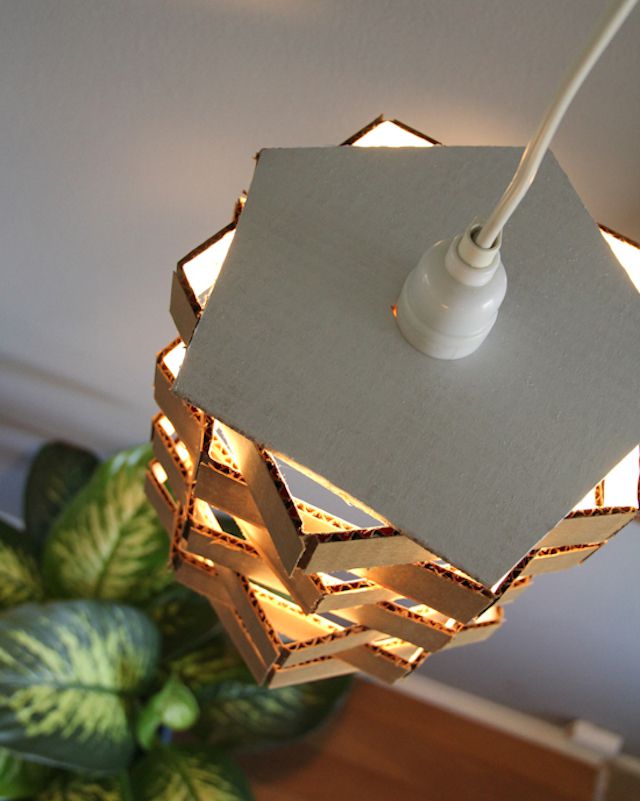
DIY lighting is a trend that has been on the rise in recent years, offering homeowners the opportunity to create personalized and unique lighting designs in their homes. Whether you are looking to add a touch of style or to improve the functionality of your living spaces, DIY lighting projects can be a great solution. Not only do they allow you to save money on your lighting expenses, but they also provide you with the flexibility to create lighting that perfectly suits your needs. • Upcycle old items into unique lighting fixtures This could mean repainting a vintage fixture, adding new shades, or even rewiring it to give it a new lease of life. Another easy project is to add dimmer switches to your existing lights, allowing you to adjust the brightness and mood of your room as needed. Decorative string lights can also be a fun and affordable way to add a touch of whimsy to your home. • Use fairy lights to add a warm glow to your space Fairy lights are a simple and affordable way to add a warm, cozy glow to any space. These delicate strings of lights can be draped over a bed frame, wrapped around a room’s perimeter or arranged in a glass jar to create a mesmerizing ambiance. Whether it’s a bedroom, living room, or outdoor patio, fairy lights are versatile enough to suit any aesthetic. They come in a range of colors, shapes and sizes, making it easy to find the perfect lights to match your décor. Additionally, their small size and low power consumption make them an energy-efficient option for creating a beautiful and inviting atmosphere in your home. • Make a statement with a DIY pendant light Incorporating lighting into your home décor can be a creative and impactful way to enhance the look and feel of your living spaces. For example, using lighting to highlight artwork or architectural features can draw the eye and add depth to your room. Pendant lights can be used to create a focal point in your space, while task lighting can provide functional illumination while also adding style. When choosing light bulbs for your DIY lighting projects, it’s important to consider factors such as energy efficiency, color temperature, and brightness. LED bulbs are a popular choice for their energy efficiency and long lifespan, but there are also many other options available to suit different needs and preferences. In conclusion DIY lighting is a trend that is here to stay, offering homeowners the opportunity to personalize their homes with unique and stylish lighting designs. From simple projects like upcycling old fixtures to creative designs incorporating lighting into your home décor, the possibilities are endless. So why not embrace the DIY lighting trend and give your home a fresh and vibrant look today?

Light up Your Home with These DIY Lighting Ideas Read More »

Scroll to Top