Author name: Salah

DIY Your Way to a Stunning Accent Wall: Paint and Decal Ideas to Transform Your Space

Accent walls are a popular interior design trend that can add a pop of color, texture, and personality to any room. The great news is that creating an accent wall can be done on a budget and with minimal DIY skills. In this article, we will explore the world of accent wall paints and decals and show you how to transform your space with these simple and affordable DIY projects. Paint • Choosing the Right Color When selecting a color for your accent wall, it’s important to consider the color scheme of the room, the amount of natural light it receives, and the mood you want to create. For a bold statement, choose a vibrant, eye-catching color. For a more understated look, opt for a soft, neutral shade. • Textures and Patterns Adding texture and patterns to your accent wall can bring dimension and interest to the space. You can create stripes, geometric shapes, or random patterns using painter’s tape and different colors of paint. You can also use tools such as sponges, rollers, and brushes to add texture to the wall. • Multiple Colors Using multiple colors on your accent wall can create a stunning, layered look. You can use stripes, blocks, or shapes to incorporate different colors or use a gradient effect for a more subtle look. • Decals • Types of Decals There are several types of decals to choose from, including vinyl, wallpaper, and fabric decals. Vinyl decals are easy to apply and remove, making them a great option for renters or those who like to change up their decor frequently. Wallpaper decals can be a bit more challenging to apply, but they are more durable and can create a beautiful, wallpaper-like effect. Fabric decals are soft and flexible, and they can add a unique, textured look to your accent wall. • Measuring and Installing Before you start, make sure to measure the wall to determine how many decals you will need. It’s also a good idea to lay out the decals on the floor to see how they will look on the wall before applying them. Installing decals can be done with a few simple tools, including a tape measure, a level, and a smoothing tool. • Design Ideas There are countless ways to incorporate decals into your accent wall design. You can create a graphic, eye-catching look with large, bold decals, or use smaller, more subtle decals to add interest and texture to the space. You can also use decals to create a focal point, such as a large tree or floral design, or to add a pop of color to a neutral accent wall. Combining Paint and Decals: • Creating a Cohesive Look Combining paint and decals on your accent wall can create a beautiful, layered look that is unique to your space. You can paint the wall a solid color and add decals to create patterns or designs, or you can use paint to create blocks of color and add decals to create texture and interest. The possibilities are endless, so let your creativity run wild Conclusion: Creating an accent wall with paint and decals is a fun and affordable DIY project that can transform your space and add a pop of personality to any room. Whether you choose bold, vibrant colors or soft, neutral shades, these simple projects will give you a stunning accent wall that you can enjoy for years to come.

DIY Your Way to a Stunning Accent Wall: Paint and Decal Ideas to Transform Your Space Read More »
Personalize Your Home on a Dime: The Joys of DIY Decorating

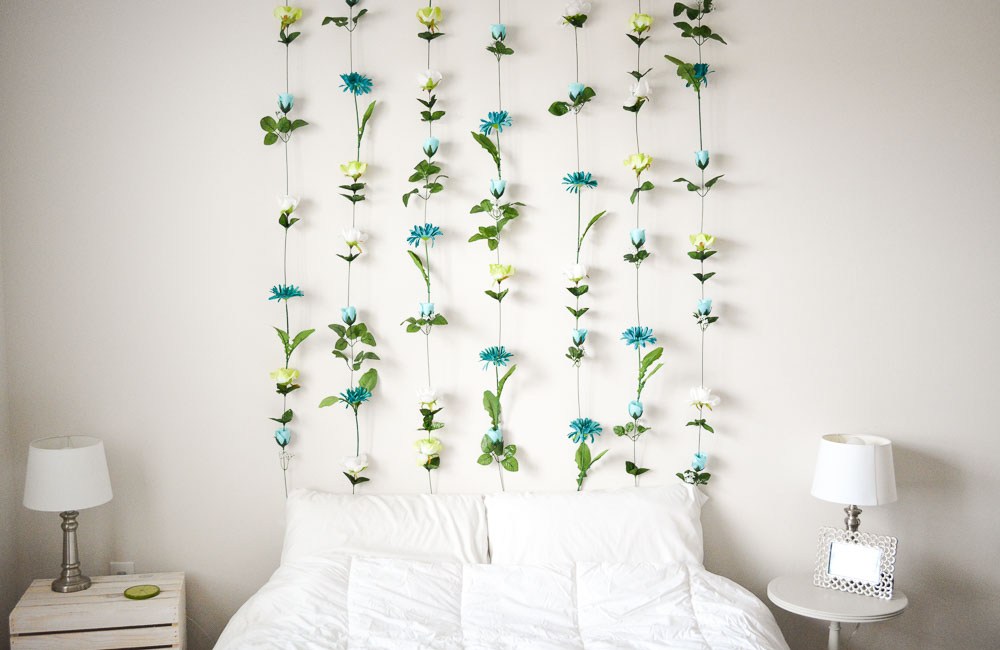
DIY home décor is a great way to add your own personal touch to your home while saving money. With a little creativity and some basic tools, you can create beautiful and unique pieces that will make your home stand out. In this article, we will discuss some of the top DIY home décor projects and include images to inspire your own projects. 1. Painted Accent Wall One of the simplest and most effective ways to add a touch of color and personality to a room is by painting an accent wall. This can be done in a variety of ways, from using a bold color to create a statement to using a patterned stencil for a more subtle look. With a little paint and some basic tools, you can easily create a beautiful accent wall in any room of your home. 2. DIY Headboard A headboard can be a great way to add a touch of elegance to a bedroom. Instead of purchasing an expensive headboard, you can easily make your own with a few basic materials. From reclaimed wood to upholstered fabric, the possibilities are endless. With a little creativity and some basic tools, you can create a beautiful and unique headboard that will add a touch of personality to your bedroom. 3. Reclaimed Wood Shelves Reclaimed wood shelves are a great way to add a touch of rustic charm to any room. Not only are they beautiful, but they are also eco-friendly. You can use reclaimed wood to create floating shelves or even a wine rack. With a little creativity and some basic tools, you can easily create a beautiful and unique piece that will add a touch of personality to your home. 4. Wall Art Wall art is a great way to add personality and style to a room. Instead of purchasing expensive art, you can easily make your own with a little creativity and some basic materials. From painting to photography, the possibilities are endless. With a little creativity and some basic tools, you can create a variety of wall art that will add a touch of personality to your home. 5. DIY Lighting DIY lighting is a popular and cost-effective way to add a personal touch to your home decor. With a little creativity and some basic supplies, you can create custom light fixtures that complement your decor style and provide functional illumination. From pendant lights to wall sconces, there are a variety of lighting options you can make yourself. You can use simple materials such as mason jars, wire baskets, or even repurposed objects to create unique and stylish lights. DIY lighting can help you save money while also giving you the satisfaction of creating something beautiful and functional for your home.

Personalize Your Home on a Dime: The Joys of DIY Decorating Read More »

Roll Out the Welcome Mat: The Power of Carpets and Rugs in Home Décor

Carpets and rugs are not just floor coverings, they are also essential elements in home décor. They can help you create a warm and inviting atmosphere, add color and texture to a room, and define spaces within a larger room. Here are some tips on how to use carpets and rugs to elevate the look of your home. • Use a rug to define a seating area In an open-plan living room, a rug can help to create a sense of intimacy and define the seating area. Choose a rug that is large enough to fit under all the furniture in the seating area and has a color or pattern that ties the pieces together. • Layer rugs for added interest Layering smaller rugs over a larger rug can add depth and interest to a room. For example, place a jute or sisal rug on top of a larger wool carpet in the living room to create a cozy, layered look. • Add color with a statement rug A bold and colorful rug can instantly brighten up a neutral room. Choose a rug that has a unique pattern or texture and use it to anchor the room’s color scheme. • Use carpets to create a cozy bedroom Soft, plush carpets can make a bedroom feel cozy and comfortable. Choose a neutral color that complements the bedding and other elements in the room. • Create a chic entryway with a runner: A long, narrow rug, also known as a runner, can create a welcoming and polished look in your entryway. Choose a rug that complements the other elements in the room, such as the wall color, furniture, and artwork. • Use patterned rugs in high-traffic areas Another factor to consider is the type of carpet or rug. For high-traffic areas, such as the living room and hallway, opt for a durable and stain-resistant material, such as wool or nylon. In the bedroom, a soft and plush carpet, such as shag or berber, will create a cozy and comfortable atmosphere. In the kitchen, choose a rug that is easy to clean, such as a jute or sisal rug. When selecting carpets and rugs, it’s important to consider the size and shape of the room, as well as the furniture and other décor elements in it. A rug that is too small for a room will look out of place, while a rug that is too big can overpower the room. The same goes for the pattern and color of the rug. It’s important to choose a rug that complements the other elements in the room, rather than competing with them. Finally, the placement of the carpet or rug is important. If you want to create a focal point in a room, place the rug in the center of the room. If you want to define a space, place the rug under the furniture, such as the sofa and chairs in a living room. In the bedroom, place the rug next to the bed, creating a soft-landing spot for your feet in the morning. In conclusion, carpets and rugs are a must-have for any home décor enthusiast. They are a simple and cost-effective way to elevate the look of your home and add warmth and comfort to your rooms. So why not try incorporating them into your décor today and see the magic for yourself?

Roll Out the Welcome Mat: The Power of Carpets and Rugs in Home Décor Read More »

Transform Your Home with the Versatile Beauty of Tiles: A Guide to Using Tiles in Home Interiors

Tiles are versatile materials that can be used in a variety of ways in home interiors. Whether you’re looking to update your bathroom, kitchen, or any other room in your house, tiles can help you achieve the look you’re after. Advantages of using tiles One of the benefits of using tiles in your home is that they are durable and long-lasting. They can withstand the wear and tear of everyday use and are easy to clean. Tiles come in a variety of materials, including ceramic, porcelain, glass, and natural stone, so you can choose the type that best suits your needs and preferences. Another advantage of tiles is that they are available in a wide range of colors, patterns, and textures. This allows you to create a unique and personalized look for your home. For example, you can use brightly colored tiles to create a bold and eye-catching statement in your bathroom or opt for neutral-toned tiles to create a calming and relaxing environment in your bedroom. Tiles can also be used to create interesting and eye-catching designs in your home. For example, you can use mosaic tiles to create intricate patterns and images, or use large format tiles to create a sleek and modern look. You can also use tiles to create unique and functional features in your home, such as backsplashes, shower surrounds, and accent walls. When it comes to maintenance, tiles are relatively low-maintenance and easy to clean. They are also resistant to moisture, stains, and mildew, making them an ideal choice for damp or humid environments like bathrooms and kitchens. Conclusion In conclusion, tiles are a versatile and practical material that can be used in a variety of ways in home interiors. Whether you’re looking to update your bathroom, kitchen, or any other room in your house, tiles can help you achieve the look you’re after. With their durability, variety, and low maintenance, tiles are a smart investment that will enhance the value and beauty of your home for years to come.

Transform Your Home with the Versatile Beauty of Tiles: A Guide to Using Tiles in Home Interiors Read More »

Interior Matters: How to Choose the Right Material for a Stunning Home Makeover

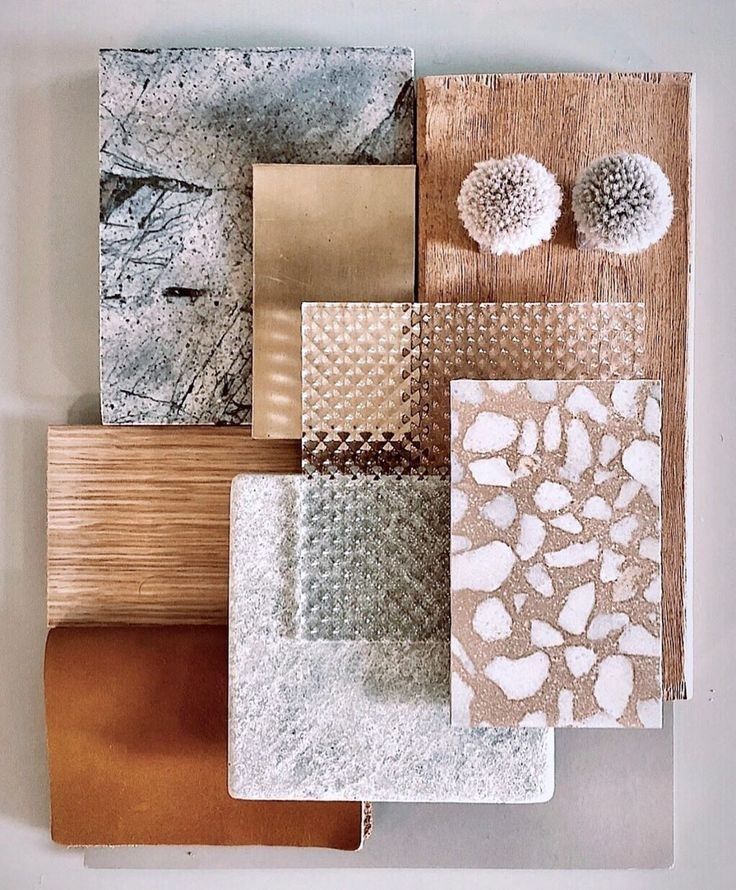
When it comes to decorating your home, one of the most important decisions you’ll make is choosing the materials that will be used in your interior design. From flooring to furniture and everything in between, the materials you choose will play a big role in determining the overall style and feel of your home. In this article, we’ll take a closer look at some of the most popular materials used in home décor and interior design, and explore the pros and cons of each so you can make an informed decision when it comes time to choose materials for your own home. 1. Wood First, let’s talk about wood. Wood is one of the most popular materials used in home décor and interior design, and for good reason. It’s durable, versatile, and can add a warm and natural feel to any room. Hardwoods such as oak and maple are great choices for flooring, while softer woods like pine and cedar can be used for furniture and cabinetry. The natural variations in color and grain patterns can also add character and interest to a room. However, wood can be expensive, and it requires regular maintenance to keep it looking its best. 2. Tiles Another popular material used in home décor and interior design is tile. Tile is a great option for flooring, especially in high-traffic areas like kitchens and bathrooms. It’s durable, easy to clean, and comes in a wide variety of colors, patterns, and styles. Ceramic, porcelain, and natural stone are all popular choices when it comes to tile. However, tile can be cold and hard underfoot, which can be uncomfortable, especially in colder climates. Also, tile can be expensive, and it can be difficult to replace individual tiles if they become damaged or stained. 3. Carpet Carpet is another popular flooring option, particularly in bedrooms and other living areas. Carpet is warm and soft underfoot, and it comes in a wide variety of colors, patterns, and styles. It’s also relatively inexpensive, and it can be a great way to add a cozy and inviting feel to a room. However, carpet can be a magnet for dirt and allergens, and it can be difficult to clean, especially if you have pets or young children. 4. Linoleum and vinyl flooring Linoleum and vinyl flooring are also popular choices for home décor and interior design. These materials are easy to install, and they come in a wide variety of colors, patterns, and styles. They’re also relatively inexpensive, and they’re easy to clean and maintain. However, linoleum and vinyl flooring can be damaged by water and heat, and they’re not as durable as some other materials. 5. Metal Another material to consider when decorating your home is metal. Metal can be used for furniture, lighting fixtures, and even as an accent in walls or floors. Metal is durable and long-lasting, and it can add an industrial or modern feel to a room. However, metal can be expensive, and it can be cold to the touch. It also can be prone to rust or corrosion if not properly cared for. 6. Glass Finally, glass is a popular material used in home décor and interior design. Glass can be used for windows, doors, and even as a backsplash or accent wall. It’s easy to clean, and it can make a room feel larger and more open. However, glass can be fragile, and it can be expensive to install and replace. Conclusion In conclusion, when choosing materials for your home décor and interior design, it’s important to consider factors such as durability, ease of maintenance, and cost. Each material has its own pros and cons, and the perfect choice will depend on your personal preferences and the specific needs of your home.

Interior Matters: How to Choose the Right Material for a Stunning Home Makeover Read More »

Color Your Living Room: How to Choose the Right Hues for a Cozy and Inviting Space

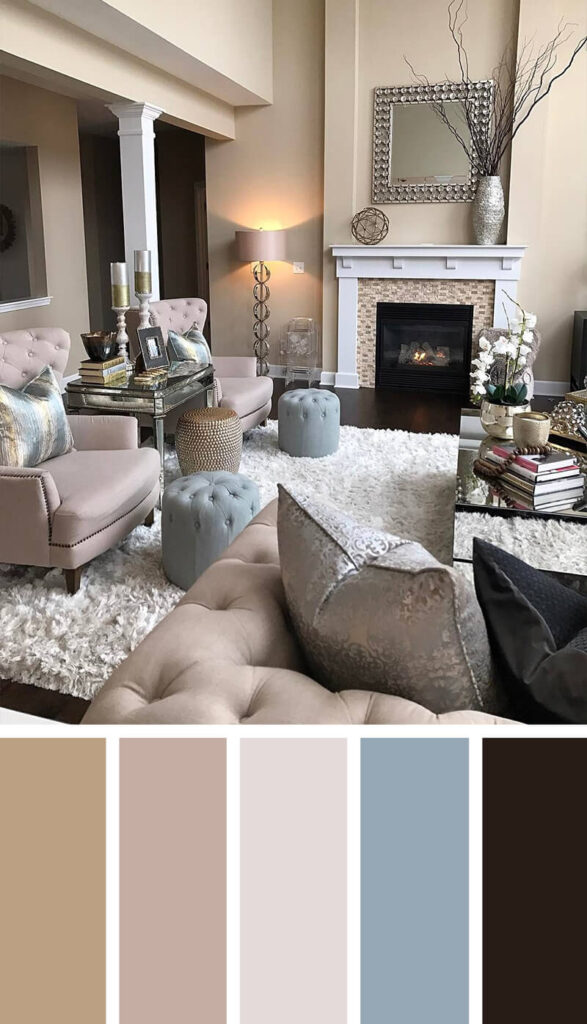
The colors in a living room can greatly impact the overall look and feel of the space. Whether you prefer bold, vibrant hues or soft, soothing tones, the right color scheme can create an inviting atmosphere for you and your guests. One popular option for living rooms is neutral colors such as white, beige, or gray. These colors are timeless and versatile, making them a great choice for those who prefer a classic look. Neutral colors also provide a blank canvas, allowing you to easily add pops of color through accents such as throw pillows or curtains. Another option is to incorporate bold, statement-making colors such as deep reds, blues, or greens. These colors can add energy and drama to a room and can help create a focal point in the space. However, it’s important to balance bold colors with neutral elements such as neutral furniture or walls to prevent the room from feeling overwhelming. For those who prefer a more calming and relaxing atmosphere, soft pastel colors such as light blue, green, or pink can be a great option. These colors have a soft, peaceful energy that can help create a relaxing space for unwinding after a long day. It’s also important to consider the amount of natural light your living room receives when selecting a color scheme. If your living room receives a lot of natural light, you can go for brighter, bolder colors without it feeling overwhelming. On the other hand, if your living room has limited natural light, opt for lighter, softer colors to help brighten up the space. Ultimately, the right colors in a living room will depend on your personal style and preferences. Whether you prefer neutral, bold, or soft hues, selecting a color scheme that reflects your personality can help create a warm and inviting living room that you’ll love spending time in. Conclusion In conclusion, the colors in a living room play a vital role in creating the overall atmosphere and look of the space. Whether you choose neutral, bold, or soft hues, the right color scheme can help you create a warm and inviting living room that truly feels like home.

Color Your Living Room: How to Choose the Right Hues for a Cozy and Inviting Space Read More »

Unveiling the Hidden Emotional Power of Colors in Home Décor

Colors play a crucial role in home décor and interior design. They can evoke certain emotions and set the overall mood and style of a room. Choosing the right colors for your home can be a daunting task, but with a little bit of knowledge and inspiration, you can create a beautiful and cohesive space that reflects your personal style. Color wheel First, it’s important to understand the basic color wheel. The color wheel is a visual representation of the primary, secondary, and tertiary colors. The primary colors are red, blue, and yellow. When these colors are mixed together, they create the secondary colors of orange, green, and purple. Tertiary colors are created by mixing a primary color with a secondary color. For example, blue-green is a tertiary color. When choosing colors for your home, it’s important to consider the mood and atmosphere you want to create. For example, cool colors like blue and green can create a calm and soothing atmosphere, while warm colors like red and orange can create a more lively and energetic atmosphere. Neutral colors like beige, gray, and white can create a sense of balance and harmony. One popular color trend in home décor is the use of monochromatic color schemes. This involves using different shades and tints of one color throughout a room. This creates a cohesive and harmonious look, while also allowing for subtle variations in color to add interest. For example, a monochromatic color scheme using shades of blue could include a pale blue wall, a medium blue sofa, and a dark blue accent pillow. Another popular trend is the use of contrasting colors to create a bold and dynamic look. This can involve using colors from opposite sides of the color wheel, such as blue and orange, or using a neutral color as a backdrop for pops of bright colors. For example, a living room with white walls and neutral furniture could be brought to life with colorful artwork, throw pillows, and a bright orange accent wall. When it comes to specific rooms in the house, it’s important to consider the function of the room and the mood you want to create. For example, a bedroom should be a calm and soothing space, and therefore, cool colors like blue and green are often used. A living room, on the other hand, should be a lively and inviting space, and warm colors like red and orange can be used to create this atmosphere. When it comes to the kitchen, neutral colors like white and beige are often used to create a clean and modern look. However, adding pops of color with colorful cookware or a colorful backsplash can add personality and interest to the space. In the bathroom, neutral colors like white and gray are often used to create a spa-like atmosphere. Adding natural elements like wood, plants, and stones can also help create a soothing and relaxing space. Overall, colors play a crucial role in home décor and interior design. By understanding the basic color wheel, considering the mood and atmosphere you want to create, and choosing colors that reflect your personal style, you can create a beautiful and cohesive space in your home. It is also important to note that lighting in a room will also affect how the colors look, natural light can change the overall look of a room. It is always recommended to see the color sample in the space before making a final decision. Different textures and patterns can also be used to add depth and interest to a room, not just relying on colors. conclusion In conclusion, color is a powerful tool in home décor and interior design. With a little bit of knowledge and inspiration, you can use color to create a beautiful and cohesive space that reflects your personal style and sets the mood.

Unveiling the Hidden Emotional Power of Colors in Home Décor Read More »

Unleashing the Power of Color: A Guide to Selecting the Perfect Hue for Your Home Décor

Colors play a vital role in home décor and interior design. They can evoke certain moods and feelings, create a sense of balance and harmony, and set the tone for the overall aesthetic of a space. Whether you’re planning a complete remodel or just looking to freshen up a room, understanding the psychology of color can help you make more informed choices when it comes to selecting paint, fabrics, and other décor elements. One of the most important things to keep in mind when working with color in home décor is that different hues can have very different effects on the human psyche. For example, warm colors like red and orange can create a sense of energy and excitement, while cool colors like blue and green tend to be more soothing and calming. This can be particularly useful when choosing colors for specific areas of the home, such as the living room or bedroom. Warm colors Warm colors like red, orange and yellow are perfect for creating a cozy and inviting atmosphere in living rooms and bedrooms. They are known for promoting feelings of warmth, comfort and cheerfulness. In addition, red can also be used to create a sense of drama and excitement. If you’re looking to create a more formal or sophisticated atmosphere, consider using deeper shades of red or pairing red with other rich colors like burgundy or maroon. Cool colors Cool colors like blue, green and purple are perfect for creating a serene and peaceful atmosphere in the home. They are known for promoting feelings of calmness, serenity and tranquility. Blue is particularly popular in bedrooms and bathrooms because of its soothing effect on the mind and body. If you’re looking to create a more modern or minimalist aesthetic, consider using pale shades of blue or pairing blue with other neutral colors like white or gray. Neutral colors Neutral colors like white, beige, gray, and black are perfect for creating a clean and sophisticated atmosphere in the home. They are known for promoting feelings of elegance, sophistication, and timelessness. Neutral colors are particularly popular in modern and minimalist design schemes, as they can help create a sense of balance and harmony in a space. They are also perfect for creating a backdrop for more bold and more colorful accents. When it comes to selecting colors for home décor, it’s also important to consider the overall style and aesthetic of the space. For example, a traditional or classic design scheme might call for more muted and subdued colors, while a more modern or contemporary design scheme might incorporate bolder and brighter hues. Additionally, you’ll want to take into account any existing furniture, flooring, and other elements that you’re working with, as these can also influence your color choices. Another important consideration when it comes to colors in home décor is the amount of natural light that a room receives. Rooms that receive a lot of natural light can handle bolder and brighter colors, while rooms that are more shaded or have less natural light might be better suited to more muted and subdued hues. Additionally, you’ll want to consider the orientation of a room – a room facing north will receive less natural light than a room facing south, for example. As you’re selecting colors for your home décor, it can also be helpful to take a step back and consider the overall flow of the space. For example, if you’re working with an open floor plan, you’ll want to choose colors that complement one another and create a sense of continuity from one room to the next. Additionally, you’ll want to take into account any architectural elements or focal points in the space, such as a fireplace or a statement wall, and choose colors that will enhance these elements and make them stand out.

Unleashing the Power of Color: A Guide to Selecting the Perfect Hue for Your Home Décor Read More »

Unlock Your Home’s Potential with Minimalist Design

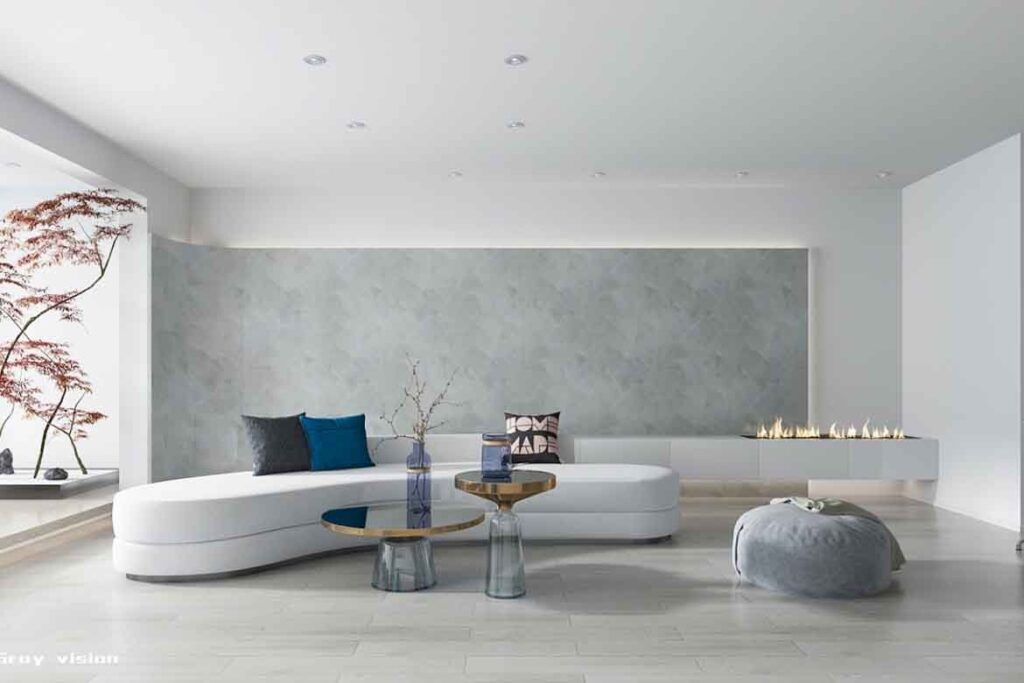
Minimalism is a popular home design trend that has been gaining traction in recent years. This style of design focuses on clean lines and a simple, uncluttered look that can be achieved through the effective use of space and color. The idea behind minimalism is to create a calm and calming atmosphere in the home that is free of excess and clutter. 1. The aesthetic of minimalism The aesthetic of minimalism is based on a few core principles. These principles include utilizing a limited number of colors, creating negative space, and utilizing geometric shapes. This helps to create a sense of harmony and balance in the home. Additionally, minimalism is often associated with the use of natural materials such as wood, stone, and metal. This helps to create a warm and inviting atmosphere. Minimalism in home design is characterized by the use of clean lines, simple shapes, and a limited color palette. The focus is on creating a space that is uncluttered and free of excess, resulting in a calm and serene environment. This aesthetic is achieved through the use of neutral colors, such as white, black, and gray, as well as the selective use of furniture and decor. By reducing visual noise and distractions, the minimalist approach allows the beauty of the space to shine through, creating a space that is both functional and visually appealing. The result is a home that is not only aesthetically pleasing, but also feels spacious, welcoming, and relaxing 2. Colors Minimalism in home design often incorporates a neutral color palette consisting of black, white, gray, and beige. These colors create a clean and simple look, allowing the focus to be on the architectural elements and furnishings within the space. The use of a limited color scheme also promotes a sense of calm and relaxation, making it a popular choice for bedrooms and bathrooms. However, pops of color can still be incorporated in minimalistic design through the use of accent pieces such as throw pillows, curtains, and artwork, providing visual interest while still maintaining the overall minimalist aesthetic. 3. The use of open space The use of negative space, or open space, is an important aspect of minimalism. This helps to create a sense of openness and allows for the eye to focus on the other design elements. Additionally, the use of geometrical shapes helps to emphasize the other design elements and create a sense of harmony. 4. Furniture In terms of furniture, minimalism favors the use of simple, uncluttered pieces. This helps to keep the home looking neat and organized. The furniture pieces should be kept simple and should not feature unnecessary accessories or extras.   5. Accessories and artwork When it comes to accessories and artwork, minimalism favors simple pieces that do not overwhelm the rest of the design. Accessories should be kept to a minimum and artwork should be kept simple as well. This helps to create an overall feeling of harmony and balance in the home. Minimalism is a great way to create a calm and relaxing atmosphere in the home. By utilizing a few simple design principles and keeping furniture and accessories to a minimum, a home can be transformed into a stylish and inviting space.

Unlock Your Home’s Potential with Minimalist Design Read More »

Going Green: The Rise of Eco-Friendly Materials in Modern Design Trends

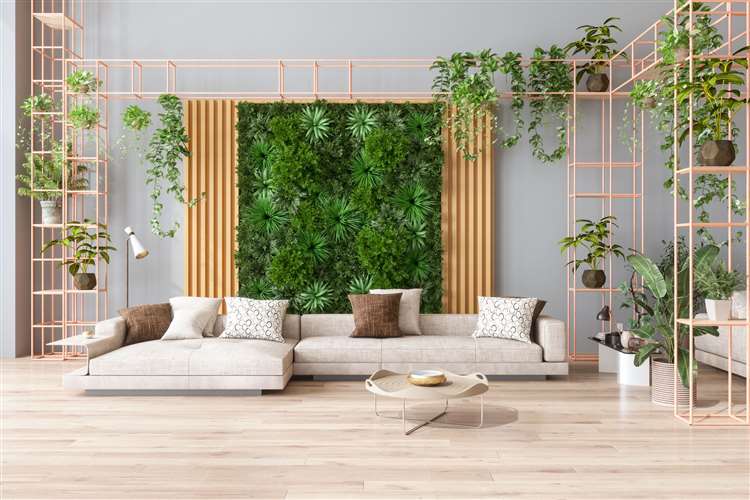
The use of sustainable and eco-friendly materials in home décor has become increasingly popular in recent years. With the growing concern for the environment and the impact of human activities on the planet, people are looking for ways to reduce their carbon footprint and promote a greener and cleaner environment. Using sustainable and eco-friendly materials in home décor is a great way to do just that, while also adding a touch of style and sophistication to your home. 1. Bamboo: Bamboo is a sustainable material that has gained popularity in the home décor industry. Bamboo is a fast-growing plant that can be harvested in just a few years, making it a renewable resource. In addition, bamboo is strong, versatile, and durable, making it a great material for a variety of home décor products. Some examples of bamboo products in home décor include flooring, furniture, and textiles. Companies such as Smith & Fong and Panda Bambu use bamboo in their products, offering a wide range of eco-friendly options for home décor. 2. Recycled Glass Recycled glass is another great eco-friendly option for home décor. Recycled glass is made from waste glass that has been melted down and molded into new products. Using recycled glass in home décor not only reduces waste but also adds a unique and stylish touch to any room. Some examples of recycled glass products in home décor include vases, candle holders, and tiles. Companies such as Global Glassworks and GlassDharma specialize in creating beautiful and functional products made from recycled glass. 3. Cork Cork is a sustainable material that has a number of advantages for home décor. It is durable, versatile, and has natural insulation properties. In addition, cork is a renewable resource, as it can be harvested from the bark of cork oak trees without damaging the tree itself. Cork products in home décor include flooring, wall tiles, and coasters. Companies such as Wicanders and Amorim Cork Composites offer a wide range of cork products that are both functional and stylish. 4. Linen Linen is another sustainable material that is gaining popularity in the home décor industry. Linen is made from flax plants, which are grown without the use of harmful pesticides and chemicals. In addition, linen is durable, breathable, and hypoallergenic, making it a great material for bedding, curtains, and tablecloths. Companies such as Rough Linen and Linoto offer a range of high-quality linen products for the home. 5. Hemp Hemp is a sustainable material that has a number of benefits for home décor. It is durable, breathable, and resistant to pests and mold. In addition, hemp is a renewable resource, as it can be grown without the use of harmful pesticides and chemicals. Hemp products in home décor include textiles, curtains, and rugs. Companies such as EnviroTextiles and Hemp Traders offer a wide range of eco-friendly hemp products for the home. In conclusion The use of sustainable and eco-friendly materials in home décor is a great way to reduce your carbon footprint and promote a greener and cleaner environment. From bamboo and recycled glass to cork and linen, there are a number of options available for those looking to incorporate sustainable materials into their homes. By choosing eco-friendly products, you can add a touch of style and sophistication to your home, while also doing your part to protect the planet. Consumers have the power to make a difference by choosing sustainable products and supporting companies that prioritize sustainability.

Going Green: The Rise of Eco-Friendly Materials in Modern Design Trends Read More »

Scroll to Top