
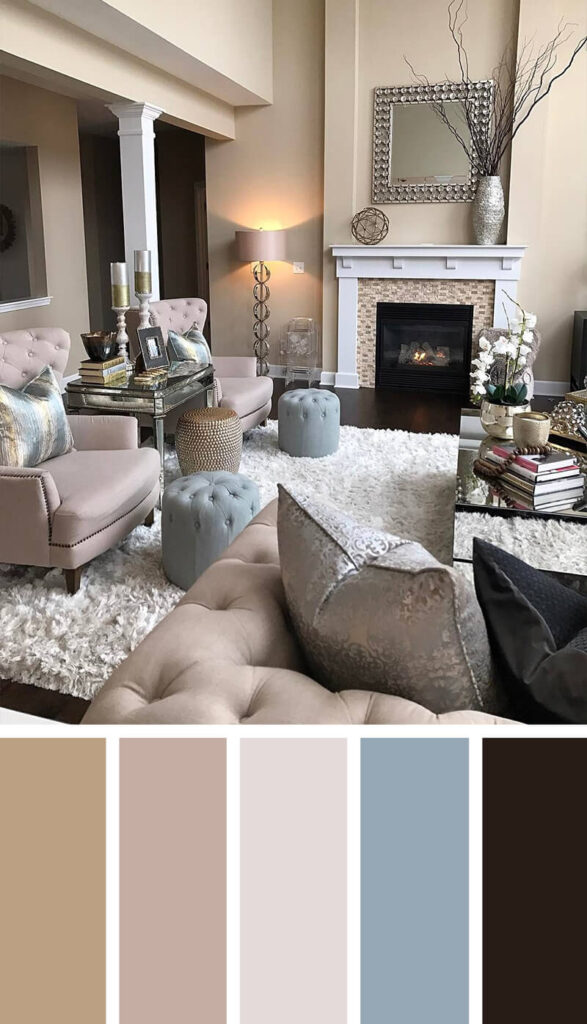
Colors

Color Your Living Room: How to Choose the Right Hues for a Cozy and Inviting Space

The colors in a living room can greatly impact the overall look and feel of the space. Whether you prefer bold, vibrant hues or soft, soothing tones, the right color scheme can create an inviting atmosphere for you and your guests. One popular option for living rooms is neutral colors such as white, beige, or gray. These colors are timeless and versatile, making them a great choice for those who prefer a classic look. Neutral colors also provide a blank canvas, allowing you to easily add pops of color through accents such as throw pillows or curtains. Another option is to incorporate bold, statement-making colors such as deep reds, blues, or greens. These colors can add energy and drama to a room and can help create a focal point in the space. However, it’s important to balance bold colors with neutral elements such as neutral furniture or walls to prevent the room from feeling overwhelming. For those who prefer a more calming and relaxing atmosphere, soft pastel colors such as light blue, green, or pink can be a great option. These colors have a soft, peaceful energy that can help create a relaxing space for unwinding after a long day. It’s also important to consider the amount of natural light your living room receives when selecting a color scheme. If your living room receives a lot of natural light, you can go for brighter, bolder colors without it feeling overwhelming. On the other hand, if your living room has limited natural light, opt for lighter, softer colors to help brighten up the space. Ultimately, the right colors in a living room will depend on your personal style and preferences. Whether you prefer neutral, bold, or soft hues, selecting a color scheme that reflects your personality can help create a warm and inviting living room that you’ll love spending time in. Conclusion In conclusion, the colors in a living room play a vital role in creating the overall atmosphere and look of the space. Whether you choose neutral, bold, or soft hues, the right color scheme can help you create a warm and inviting living room that truly feels like home.

Color Your Living Room: How to Choose the Right Hues for a Cozy and Inviting Space Read More »

Unveiling the Hidden Emotional Power of Colors in Home Décor

Colors play a crucial role in home décor and interior design. They can evoke certain emotions and set the overall mood and style of a room. Choosing the right colors for your home can be a daunting task, but with a little bit of knowledge and inspiration, you can create a beautiful and cohesive space that reflects your personal style. Color wheel First, it’s important to understand the basic color wheel. The color wheel is a visual representation of the primary, secondary, and tertiary colors. The primary colors are red, blue, and yellow. When these colors are mixed together, they create the secondary colors of orange, green, and purple. Tertiary colors are created by mixing a primary color with a secondary color. For example, blue-green is a tertiary color. When choosing colors for your home, it’s important to consider the mood and atmosphere you want to create. For example, cool colors like blue and green can create a calm and soothing atmosphere, while warm colors like red and orange can create a more lively and energetic atmosphere. Neutral colors like beige, gray, and white can create a sense of balance and harmony. One popular color trend in home décor is the use of monochromatic color schemes. This involves using different shades and tints of one color throughout a room. This creates a cohesive and harmonious look, while also allowing for subtle variations in color to add interest. For example, a monochromatic color scheme using shades of blue could include a pale blue wall, a medium blue sofa, and a dark blue accent pillow. Another popular trend is the use of contrasting colors to create a bold and dynamic look. This can involve using colors from opposite sides of the color wheel, such as blue and orange, or using a neutral color as a backdrop for pops of bright colors. For example, a living room with white walls and neutral furniture could be brought to life with colorful artwork, throw pillows, and a bright orange accent wall. When it comes to specific rooms in the house, it’s important to consider the function of the room and the mood you want to create. For example, a bedroom should be a calm and soothing space, and therefore, cool colors like blue and green are often used. A living room, on the other hand, should be a lively and inviting space, and warm colors like red and orange can be used to create this atmosphere. When it comes to the kitchen, neutral colors like white and beige are often used to create a clean and modern look. However, adding pops of color with colorful cookware or a colorful backsplash can add personality and interest to the space. In the bathroom, neutral colors like white and gray are often used to create a spa-like atmosphere. Adding natural elements like wood, plants, and stones can also help create a soothing and relaxing space. Overall, colors play a crucial role in home décor and interior design. By understanding the basic color wheel, considering the mood and atmosphere you want to create, and choosing colors that reflect your personal style, you can create a beautiful and cohesive space in your home. It is also important to note that lighting in a room will also affect how the colors look, natural light can change the overall look of a room. It is always recommended to see the color sample in the space before making a final decision. Different textures and patterns can also be used to add depth and interest to a room, not just relying on colors. conclusion In conclusion, color is a powerful tool in home décor and interior design. With a little bit of knowledge and inspiration, you can use color to create a beautiful and cohesive space that reflects your personal style and sets the mood.

Unveiling the Hidden Emotional Power of Colors in Home Décor Read More »

Unleashing the Power of Color: A Guide to Selecting the Perfect Hue for Your Home Décor

Colors play a vital role in home décor and interior design. They can evoke certain moods and feelings, create a sense of balance and harmony, and set the tone for the overall aesthetic of a space. Whether you’re planning a complete remodel or just looking to freshen up a room, understanding the psychology of color can help you make more informed choices when it comes to selecting paint, fabrics, and other décor elements. One of the most important things to keep in mind when working with color in home décor is that different hues can have very different effects on the human psyche. For example, warm colors like red and orange can create a sense of energy and excitement, while cool colors like blue and green tend to be more soothing and calming. This can be particularly useful when choosing colors for specific areas of the home, such as the living room or bedroom. Warm colors Warm colors like red, orange and yellow are perfect for creating a cozy and inviting atmosphere in living rooms and bedrooms. They are known for promoting feelings of warmth, comfort and cheerfulness. In addition, red can also be used to create a sense of drama and excitement. If you’re looking to create a more formal or sophisticated atmosphere, consider using deeper shades of red or pairing red with other rich colors like burgundy or maroon. Cool colors Cool colors like blue, green and purple are perfect for creating a serene and peaceful atmosphere in the home. They are known for promoting feelings of calmness, serenity and tranquility. Blue is particularly popular in bedrooms and bathrooms because of its soothing effect on the mind and body. If you’re looking to create a more modern or minimalist aesthetic, consider using pale shades of blue or pairing blue with other neutral colors like white or gray. Neutral colors Neutral colors like white, beige, gray, and black are perfect for creating a clean and sophisticated atmosphere in the home. They are known for promoting feelings of elegance, sophistication, and timelessness. Neutral colors are particularly popular in modern and minimalist design schemes, as they can help create a sense of balance and harmony in a space. They are also perfect for creating a backdrop for more bold and more colorful accents. When it comes to selecting colors for home décor, it’s also important to consider the overall style and aesthetic of the space. For example, a traditional or classic design scheme might call for more muted and subdued colors, while a more modern or contemporary design scheme might incorporate bolder and brighter hues. Additionally, you’ll want to take into account any existing furniture, flooring, and other elements that you’re working with, as these can also influence your color choices. Another important consideration when it comes to colors in home décor is the amount of natural light that a room receives. Rooms that receive a lot of natural light can handle bolder and brighter colors, while rooms that are more shaded or have less natural light might be better suited to more muted and subdued hues. Additionally, you’ll want to consider the orientation of a room – a room facing north will receive less natural light than a room facing south, for example. As you’re selecting colors for your home décor, it can also be helpful to take a step back and consider the overall flow of the space. For example, if you’re working with an open floor plan, you’ll want to choose colors that complement one another and create a sense of continuity from one room to the next. Additionally, you’ll want to take into account any architectural elements or focal points in the space, such as a fireplace or a statement wall, and choose colors that will enhance these elements and make them stand out.

Unleashing the Power of Color: A Guide to Selecting the Perfect Hue for Your Home Décor Read More »

Scroll to Top