Design Trends

Unlock Your Home’s Potential with Minimalist Design

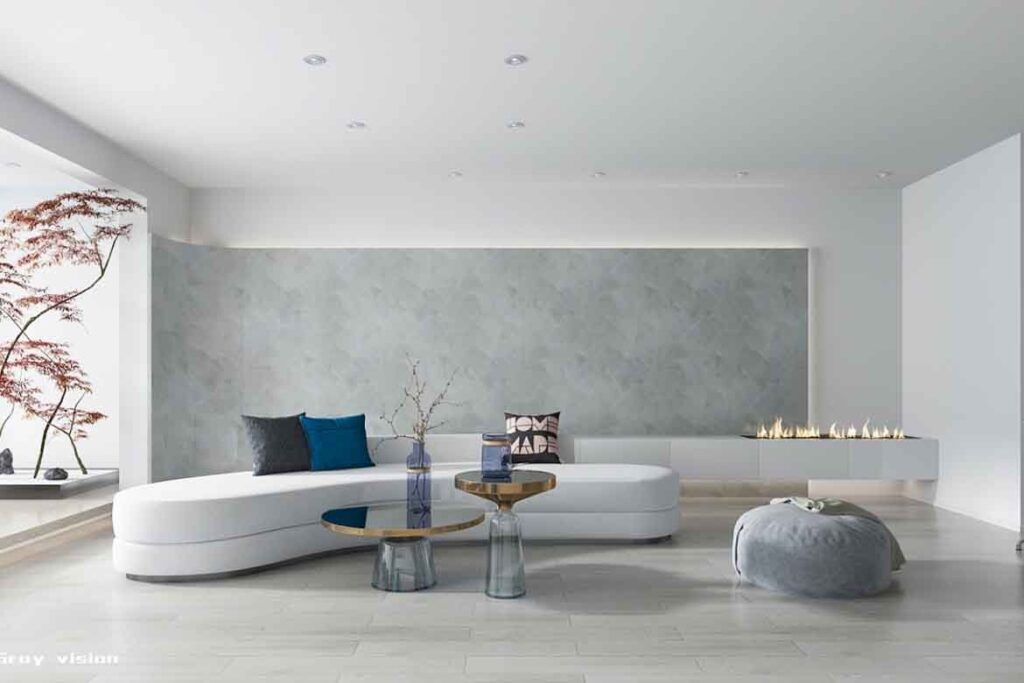
Minimalism is a popular home design trend that has been gaining traction in recent years. This style of design focuses on clean lines and a simple, uncluttered look that can be achieved through the effective use of space and color. The idea behind minimalism is to create a calm and calming atmosphere in the home that is free of excess and clutter. 1. The aesthetic of minimalism The aesthetic of minimalism is based on a few core principles. These principles include utilizing a limited number of colors, creating negative space, and utilizing geometric shapes. This helps to create a sense of harmony and balance in the home. Additionally, minimalism is often associated with the use of natural materials such as wood, stone, and metal. This helps to create a warm and inviting atmosphere. Minimalism in home design is characterized by the use of clean lines, simple shapes, and a limited color palette. The focus is on creating a space that is uncluttered and free of excess, resulting in a calm and serene environment. This aesthetic is achieved through the use of neutral colors, such as white, black, and gray, as well as the selective use of furniture and decor. By reducing visual noise and distractions, the minimalist approach allows the beauty of the space to shine through, creating a space that is both functional and visually appealing. The result is a home that is not only aesthetically pleasing, but also feels spacious, welcoming, and relaxing 2. Colors Minimalism in home design often incorporates a neutral color palette consisting of black, white, gray, and beige. These colors create a clean and simple look, allowing the focus to be on the architectural elements and furnishings within the space. The use of a limited color scheme also promotes a sense of calm and relaxation, making it a popular choice for bedrooms and bathrooms. However, pops of color can still be incorporated in minimalistic design through the use of accent pieces such as throw pillows, curtains, and artwork, providing visual interest while still maintaining the overall minimalist aesthetic. 3. The use of open space The use of negative space, or open space, is an important aspect of minimalism. This helps to create a sense of openness and allows for the eye to focus on the other design elements. Additionally, the use of geometrical shapes helps to emphasize the other design elements and create a sense of harmony. 4. Furniture In terms of furniture, minimalism favors the use of simple, uncluttered pieces. This helps to keep the home looking neat and organized. The furniture pieces should be kept simple and should not feature unnecessary accessories or extras.   5. Accessories and artwork When it comes to accessories and artwork, minimalism favors simple pieces that do not overwhelm the rest of the design. Accessories should be kept to a minimum and artwork should be kept simple as well. This helps to create an overall feeling of harmony and balance in the home. Minimalism is a great way to create a calm and relaxing atmosphere in the home. By utilizing a few simple design principles and keeping furniture and accessories to a minimum, a home can be transformed into a stylish and inviting space.

Unlock Your Home’s Potential with Minimalist Design Read More »
Going Green: The Rise of Eco-Friendly Materials in Modern Design Trends

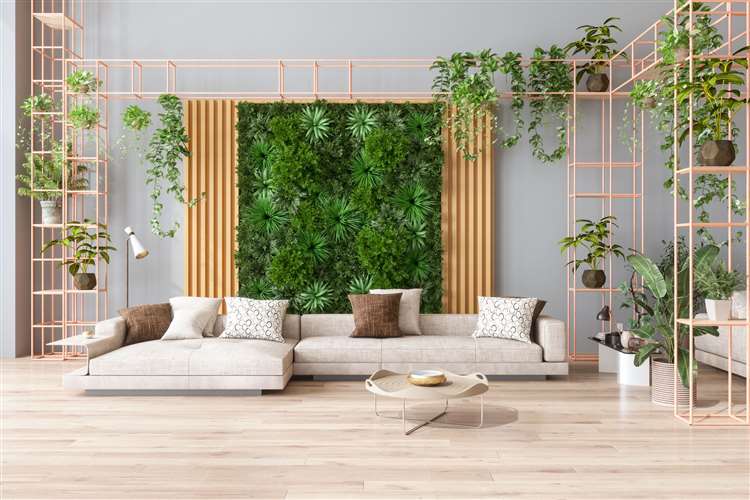
The use of sustainable and eco-friendly materials in home décor has become increasingly popular in recent years. With the growing concern for the environment and the impact of human activities on the planet, people are looking for ways to reduce their carbon footprint and promote a greener and cleaner environment. Using sustainable and eco-friendly materials in home décor is a great way to do just that, while also adding a touch of style and sophistication to your home. 1. Bamboo: Bamboo is a sustainable material that has gained popularity in the home décor industry. Bamboo is a fast-growing plant that can be harvested in just a few years, making it a renewable resource. In addition, bamboo is strong, versatile, and durable, making it a great material for a variety of home décor products. Some examples of bamboo products in home décor include flooring, furniture, and textiles. Companies such as Smith & Fong and Panda Bambu use bamboo in their products, offering a wide range of eco-friendly options for home décor. 2. Recycled Glass Recycled glass is another great eco-friendly option for home décor. Recycled glass is made from waste glass that has been melted down and molded into new products. Using recycled glass in home décor not only reduces waste but also adds a unique and stylish touch to any room. Some examples of recycled glass products in home décor include vases, candle holders, and tiles. Companies such as Global Glassworks and GlassDharma specialize in creating beautiful and functional products made from recycled glass. 3. Cork Cork is a sustainable material that has a number of advantages for home décor. It is durable, versatile, and has natural insulation properties. In addition, cork is a renewable resource, as it can be harvested from the bark of cork oak trees without damaging the tree itself. Cork products in home décor include flooring, wall tiles, and coasters. Companies such as Wicanders and Amorim Cork Composites offer a wide range of cork products that are both functional and stylish. 4. Linen Linen is another sustainable material that is gaining popularity in the home décor industry. Linen is made from flax plants, which are grown without the use of harmful pesticides and chemicals. In addition, linen is durable, breathable, and hypoallergenic, making it a great material for bedding, curtains, and tablecloths. Companies such as Rough Linen and Linoto offer a range of high-quality linen products for the home. 5. Hemp Hemp is a sustainable material that has a number of benefits for home décor. It is durable, breathable, and resistant to pests and mold. In addition, hemp is a renewable resource, as it can be grown without the use of harmful pesticides and chemicals. Hemp products in home décor include textiles, curtains, and rugs. Companies such as EnviroTextiles and Hemp Traders offer a wide range of eco-friendly hemp products for the home. In conclusion The use of sustainable and eco-friendly materials in home décor is a great way to reduce your carbon footprint and promote a greener and cleaner environment. From bamboo and recycled glass to cork and linen, there are a number of options available for those looking to incorporate sustainable materials into their homes. By choosing eco-friendly products, you can add a touch of style and sophistication to your home, while also doing your part to protect the planet. Consumers have the power to make a difference by choosing sustainable products and supporting companies that prioritize sustainability.

Going Green: The Rise of Eco-Friendly Materials in Modern Design Trends Read More »

Home design trends come and go, but certain elements always remain popular

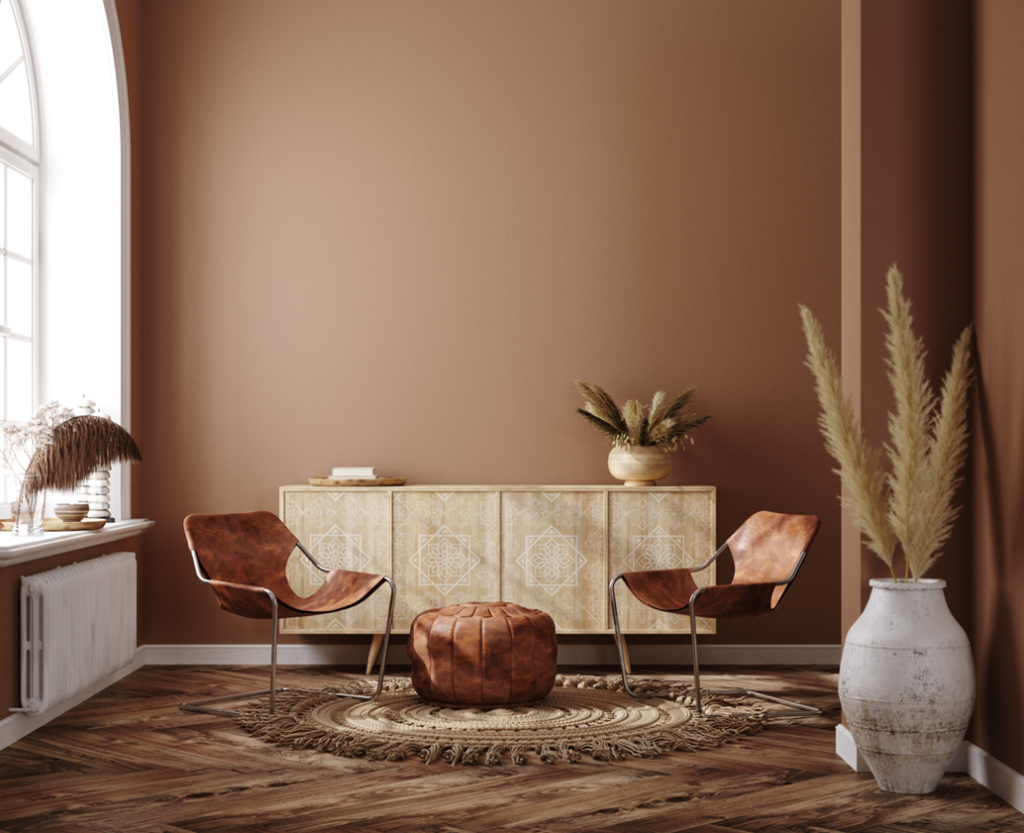
In this article, we’ll take a look at some of the most popular home design trends of the moment and explore how you can incorporate them into your own space. One of the biggest trends in home design right now is the use of natural materials. Wood, stone, and other natural elements are being used to create warm, inviting spaces that feel connected to the outdoors just like the old Nubian homes. This trend is particularly popular in kitchens and bathrooms, where natural stone countertops and wood cabinetry are becoming increasingly common. Another popular trend is the use of open floor plans. This design concept is all about creating a seamless flow between different spaces in the home, such as the living room, kitchen, and dining room. This can be achieved by removing walls and barriers between rooms, or by using large sliding doors or barn doors to create an open feel. This trend is great for families and for entertaining, as it allows for greater interaction between family members and guests. Another popular trend is the incorporation of industrial elements into home design. This can include things like exposed brick walls, metal piping, and concrete floors. The industrial look is often paired with other design elements, such as reclaimed wood and vintage lighting fixtures, to create a unique, urban feel. The use of color is also a major trend in home design. Bold, bright colors are being used to add energy and personality to spaces. This can include things like statement walls, colorful furniture, or colorful accents. This trend is especially popular in living rooms and bedrooms, where people want to create a space that is both relaxing and visually interesting. The incorporation of technology into home design is also becoming more popular. This can include things like smart home systems, which allow homeowners to control things like lighting, temperature, and security from their smartphones. It can also include things like home theaters, which allow people to enjoy movies and other content in the comfort of their own homes. Lastly, eco-friendly and sustainable design is also becoming more popular. This includes things like using reclaimed or recycled materials, incorporating energy-efficient appliances and systems, and using sustainable building practices. This trend is not only good for the environment, but it can also help homeowners save money on energy costs in the long run. In conclusion home design trends are constantly evolving and changing, but some elements like the use of natural materials, open floor plans, industrial elements, bold colors, technology, and sustainable design are currently popular. While it is important to stay current with design trends, it is also important to remember that your home should reflect your personal style and tastes. Whether you choose to incorporate just one of these trends or all of them, the most important thing is that you create a space that makes you happy and feels comfortable.

Home design trends come and go, but certain elements always remain popular Read More »

Scroll to Top