
Acoustics

Silencing the Walls: A Guide to Reducing Sound Transfer in Your Home

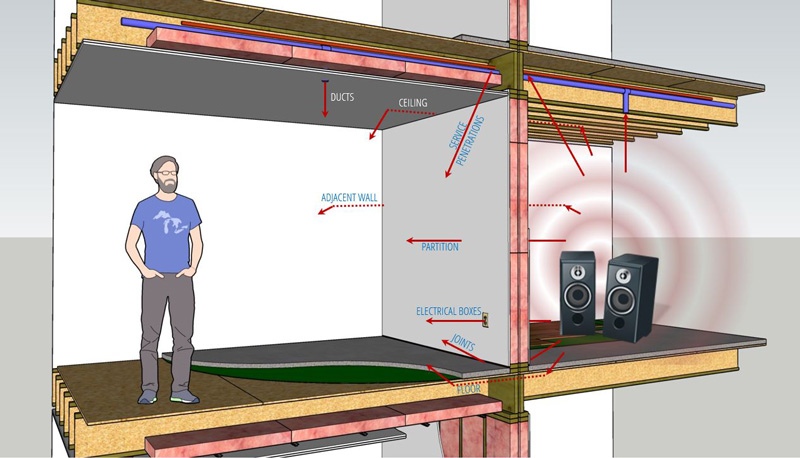
Soundproofing is a crucial aspect of creating a peaceful and comfortable living environment in your home. The presence of noise from adjacent rooms can be a nuisance, especially if you work from home or have young children who need a quiet space to sleep. In this article, we will discuss some simple steps to reduce sound transfer between rooms and partitions in your home. 1. Sealing Gaps and Cracks Sealing gaps and cracks around windows, doors, and electrical outlets is a crucial step in reducing sound transfer in your home. These gaps and cracks can allow sound to enter other rooms, creating a noisy and disruptive environment. To prevent this, you can use silicone caulk or weather stripping to seal the gaps. This simple and affordable solution can make a significant difference in reducing sound transfer in your home. 2. Adding Mass to the Walls Adding mass to the walls is another effective way to reduce sound transfer. You can add mass by adding a layer of drywall or installing soundproof panels to the existing walls. The added mass helps to block sound transmission, creating a quieter and more peaceful living environment. This is a great solution for homes in noisy areas or for those who work from home and need a quiet space to concentrate. 3. Installing Soundproof Drywall Installing soundproof drywall is a great option for those building a new home or renovating. This type of drywall has an added layer of mass and insulation that helps to block sound transmission. By installing soundproof drywall, you can create a peaceful and comfortable living environment, free from the noise and disruption of adjacent rooms. 4. Using Acoustic Caulk and Sealant: Acoustic caulk and sealant are essential for reducing sound transfer in your home. These materials can be applied to the joints between the walls and the ceiling, as well as around windows and doors, to help prevent sound from leaking into other rooms. They are an affordable and easy solution that can make a significant difference in reducing sound transfer in your home. 5. Adding Soundproof Insulation: Adding soundproof insulation to your walls and ceilings is another way to reduce sound transfer. Soundproof insulation materials like mineral wool, fiberglass, or foam can absorb and block sound, reducing the amount of noise that enters your space. This is a great solution for homes in noisy areas or for those who need a quiet space to sleep or work. 6. Installing Soundproof Windows Replacing your windows with soundproof windows is an effective solution for reducing sound transfer. Soundproof windows are designed to block out noise, providing a peaceful and quiet environment. They are an excellent investment for homes in noisy areas and can significantly reduce the amount of sound that enters your space. 7. Creating a Decoupled Wall Decoupling the wall from the floor and ceiling is another way to reduce sound transfer. This involves creating a gap between the wall and the adjacent surfaces, which helps to prevent sound from transmitting through the wall. This is a more advanced solution that requires some construction expertise, but it can make a significant difference in reducing sound transfer in your home. 8. Using Acoustic Panels and Soundproof Curtains Installing acoustic panels and soundproof curtains in your home can help to absorb and deflect sound, reducing the amount of noise that enters your space. These are an affordable and easy solution for reducing sound transfer, and they can be added to any room in your home. They are especially useful for those who work from home, or for those who need a quiet space to sleep or relax.

Silencing the Walls: A Guide to Reducing Sound Transfer in Your Home Read More »

Creating a Sound Haven: Choosing the Right Materials for Your Home Acoustics

Home acoustics play a crucial role in creating a comfortable and functional living or working space. However, choosing the right materials for your home acoustics can be a daunting task, especially if you are not familiar with the different options available. To ensure that you make the right choice, it is important to consider the specific needs of your space. If you have a room with a lot of hard surfaces, such as glass windows, hardwood floors, and concrete walls, you may want to use more absorption materials to reduce the amount of reflected sound. These materials include acoustic panels and bass traps, which are designed to absorb sound waves and reduce echoes. Acoustic panels are typically made of foam, fiberglass, or other materials that are effective at absorbing sound. They come in a variety of shapes, sizes, and colors, making it easy to find one that matches the aesthetic of your room. Bass traps are designed to reduce low-frequency sounds, such as bass from music or the rumble of traffic and are often placed in the corners of a room where low-frequency sounds tend to accumulate. If you have a room with a high ceiling, you may want to use acoustic ceiling tiles to help control sound reflections. These tiles are designed to absorb sound, and can be easily installed in a drop ceiling. They are also available in a variety of colors and finishes, so you can choose one that fits your room’s decor. Finally, if you have a room with a lot of echoes, you may want to use diffusers. Diffusers are designed to scatter sound waves, helping to reduce echoes and create a more balanced sound field. They come in a variety of shapes and sizes, and can be used on walls, ceilings, or even furniture. In conclusion, when choosing materials for your home acoustics, it is important to consider the specific needs of your space. Whether you have a room with a lot of hard surfaces, a high ceiling, or a lot of echoes, there is a material that can help improve the sound quality of your room. Take the time to research your options and find the materials that are right for you.

Creating a Sound Haven: Choosing the Right Materials for Your Home Acoustics Read More »

Elevate Your Ears: Simple Tips for Enhancing the Acoustics in Your Home

Improving the acoustics in your home can greatly enhance the overall listening experience, whether it’s for music, movies, or even just having a conversation. The key to achieving good acoustics is to choose the right materials for your space. In this article, we will discuss the different types of materials that can be used to improve the acoustics in your home and how to choose the best ones for your specific needs. understand the basics of acoustics First, it’s important to understand the basics of acoustics. Sound travels in waves and can be reflected, absorbed, or transmitted through different materials. In order to improve the acoustics in a room, you need to strike a balance between absorption and reflection. Too much absorption can make a room sound dead, while too much reflection can create echoes and make it difficult to understand speech. using acoustic panels One of the most effective ways to improve the acoustics in a room is by using acoustic panels. These are panels made of materials that are specifically designed to absorb sound. They can be mounted on walls or ceilings and come in a variety of shapes and sizes. Some popular materials for acoustic panels include fiberglass, rock wool, and polyester. Fiberglass is a popular choice because it is lightweight and has a high Noise Reduction Coefficient (NRC) rating, which measures a material’s ability to absorb sound. Rock wool and polyester are also good choices because they are fire-resistant and have a high NRC rating. using bass traps Another way to improve the acoustics in a room is by using bass traps. These are specially designed panels that are placed in the corners of a room to absorb low-frequency sound waves. They are particularly useful in rooms with hard surfaces such as tile or concrete, which can create a boomy sound. Bass traps can be made of the same materials as acoustic panels, such as fiberglass, rock wool, and polyester. using acoustic ceiling tiles Acoustic ceiling tiles are another great way to improve the acoustics in a room. These tiles are designed to be installed in a suspended ceiling and are made of materials that absorb sound. They are particularly useful for rooms with high ceilings, as sound waves tend to travel further in these spaces. Some popular materials for acoustic ceiling tiles include mineral fiber and perforated metal. using diffusers Another way to improve the acoustics in a room is by using diffusers. These are panels that are designed to scatter sound waves, rather than absorb them. They are particularly useful in rooms with a lot of hard surfaces, as they help to break up echoes and reduce the amount of reflected sound. Some popular materials for diffusers include wood and foam. consider the specific needs of your space When choosing materials for your home acoustics, it’s important to consider the specific needs of your space. For example, if you have a room with a lot of hard surfaces, you may want to use more absorption materials such as acoustic panels and bass traps. If you have a room with a high ceiling, you may want to use acoustic ceiling tiles. And if you have a room with a lot of echoes, you may want to use diffusers. Also, consider the overall aesthetic of your space Another important factor to consider is the overall aesthetic of your space. There are a variety of different materials and styles available for acoustic treatments, so you can choose something that matches the decor of your home. For example, if you have a modern home, you may want to use sleek, minimalist acoustic panels. If you have a traditional home, you may want to use wooden diffusers. Finally, it’s important to consider the cost of the materials. Acoustic treatments can be expensive, so it’s important to choose materials that fit within your budget. However, it’s important to remember that investing in good acoustics can greatly enhance the overall listening experience in your home.

Elevate Your Ears: Simple Tips for Enhancing the Acoustics in Your Home Read More »

Scroll to Top