
Hacks

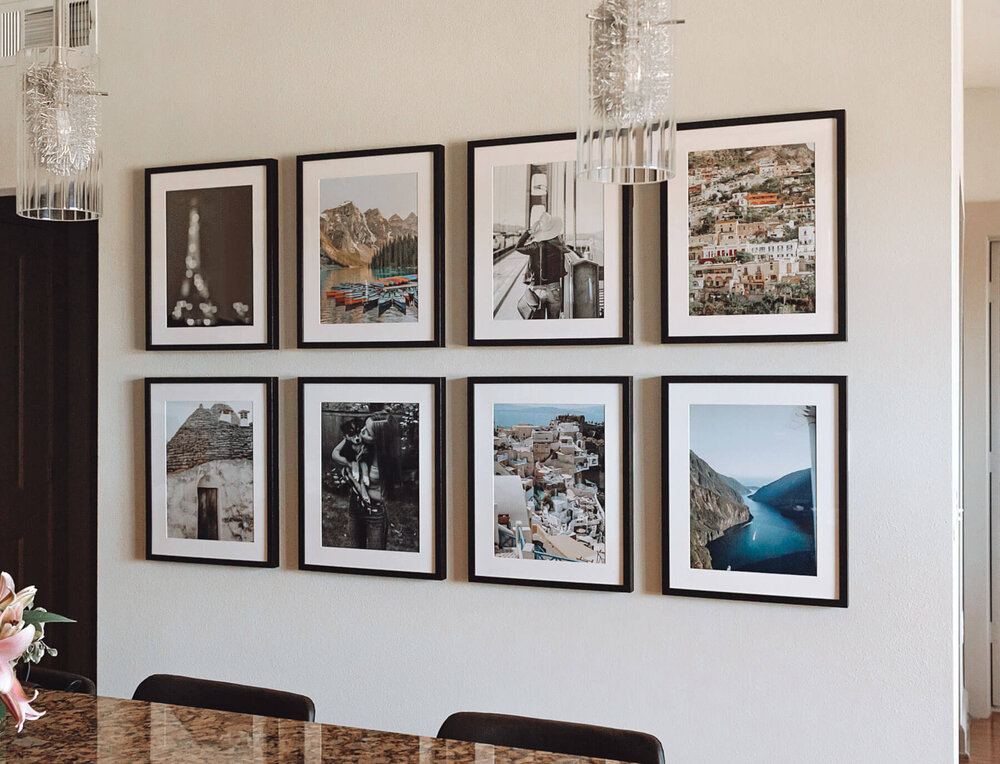
The Power of Display: Crafting a Stunning Gallery Wall

A gallery wall is a beautiful and personal way to showcase your favorite artwork, family photos, and meaningful mementos. Whether you have a large collection of art pieces or just a few special items, creating a gallery wall can be a fun and rewarding project that transforms any room in your home. When crafting a gallery wall, it’s essential to start by choosing a wall that will serve as the backdrop for your display. The wall should be large enough to accommodate all of your items, and it should be free from any electrical outlets, windows, or doors that might disrupt the flow of the display. You should also consider the lighting in the room and choose a wall that receives good natural light, as this will help to highlight the items on your gallery wall. Once you’ve chosen your wall, it’s time to start selecting the items you want to include in your gallery wall. This can include anything from paintings and photographs to prints, posters, and other decorative objects. When selecting your items, consider their size, color, and subject matter, and try to choose pieces that complement each other and work well together. Once you have your items, it’s time to plan the arrangement of your gallery wall. This can be done by creating a template of your wall and experimenting with different arrangements on paper. You can also use online tools, such as Gallery Wall Planner, to visualize your arrangement before you start hanging your items. When hanging your items, it’s essential to use the right hardware and to hang them at the correct height. Heavy items should be hung on a wall stud, and smaller items can be hung using picture hanging wire or picture hanging strips. The height at which you hang your items will depend on the size of the wall and the items you’re hanging, but a good rule of thumb is to hang the center of the piece at approximately eye level. Once your items are hung, you can start to play with the spacing between the pieces. A good rule of thumb is to leave between two and four inches between each item, but you can also play with negative space and create larger gaps between items for a more dramatic look. When arranging your items, consider creating a focal point, such as a large painting or photograph, and arranging the other items around it. When it comes to creating a gallery wall, the options are endless, and you can get as creative as you like. If you have a large collection of items, you can create a grid-style gallery wall, with each item in its own separate frame. If you have a smaller collection, you can create a more relaxed, eclectic display by mixing and matching different frames, styles, and sizes. Another way to create a unique and personal gallery wall is to incorporate personal mementos, such as family photographs, ticket stubs, and other sentimental items. This type of gallery wall not only showcases your favorite art pieces but also tells a story about you and your life. You can use a variety of frame styles, from traditional to contemporary, to create a display that is both stylish and personal. Incorporating different textures into your gallery wall can also add depth and interest to your display. This can be achieved by mixing and matching different frame styles and materials, such as wood, metal, and acrylic. You can also add texture by incorporating three-dimensional objects, such as sculptures, into your display. Finally, don’t be afraid to play with color on your gallery wall. You can choose to use a single color palette throughout your display or create a more vibrant, eclectic look by incorporating different colors and patterns. A gallery wall can also be a great way to add a pop of color to a neutral room, creating a bold and impactful statement. Consider incorporating colorful artwork, frames, or even paint on the wall behind your display to create a vibrant, eye-catching backdrop. In conclusion, creating a gallery wall is a fun and personal way to showcase your favorite art pieces and sentimental items. With the right planning and execution, you can create a beautiful and impactful display that adds style, texture, and personality to your home. Whether you choose a grid-style gallery wall, an eclectic display, or a gallery wall featuring personal mementos, the possibilities are endless, and the result will be a stunning and unique display that reflects your personal style and taste. So, don’t be afraid to get creative and experiment with different styles, textures, and colors – the results will be a beautiful and impactful gallery wall that you’ll be proud to display in your home.

The Power of Display: Crafting a Stunning Gallery Wall Read More »
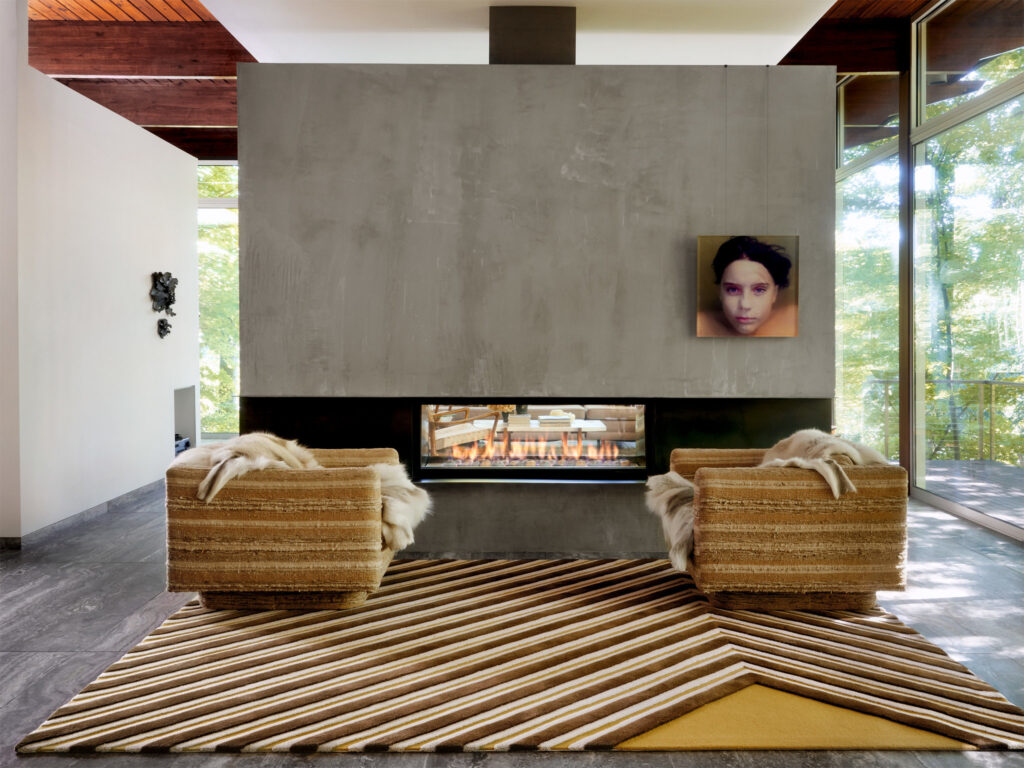
Creating Cohesion: The Art of Defining Spaces with Rugs

A rug is much more than just a floor covering. It can add texture, color, and warmth to a room, as well as create a sense of unity and cohesion between different design elements. Whether you’re looking to define a seating area, anchor a room’s decor, or simply add some personality to your space, rugs can be an essential tool for creating a polished, well-designed home. In interior design, a rug can play a critical role in defining a space. By placing a rug in a specific area, you can instantly create a designated seating or living area within a larger room. This can be especially useful in open-plan living spaces, where it can be difficult to differentiate between different functional zones. A rug can also help to anchor furniture and create a sense of structure in a room, making it feel more cohesive and put together. When choosing a rug to define a space, it’s essential to consider size. The rug should be large enough to accommodate all of the furniture in the designated area, with a minimum of six inches of bare floor showing around the edges. If the rug is too small, it will look lost in the space, and if it’s too large, it may overpower the room and make it feel cluttered. Another important factor to consider is the pattern and color of the rug. A solid-colored rug can create a sense of calm and serenity in a room, while a patterned rug can add interest and texture. When selecting a rug with a pattern, consider the existing colors in the room, and choose a rug that complements or contrasts with those colors in an appealing way. If your room already has a lot of patterns and textures, a solid-colored rug may be a better choice, as it will not compete with the other elements in the space. Once you’ve chosen your rug, it’s important to place it correctly within the room. In a seating area, the rug should be centered under the furniture, with enough space around the edges to allow people to easily move around the room. In a dining room, the rug should extend at least 24 inches beyond the table on all sides, providing enough space for chairs to be pulled out without leaving the rug. In a bedroom, the rug should be placed under the bed, with enough space around the sides for you to easily get in and out of bed. Rugs can also be used to add warmth and texture to a room. Soft, plush rugs are a great choice for bedrooms and living rooms, where you want to create a cozy and comfortable atmosphere. Natural fiber rugs, such as jute or sisal, can add a rustic touch to a room, and are well suited to more informal spaces, like sunrooms or family rooms. Rugs made from synthetic materials, such as nylon or polyester, are durable and easy to clean, making them ideal for high-traffic areas like entryways and kitchens. In addition to defining spaces and adding warmth and texture, rugs can also be used to incorporate color into a room. If your decor is neutral and you want to add a pop of color, consider choosing a brightly colored rug to anchor the space. If you have a bold accent wall or statement piece of furniture, choose a rug in a coordinating color to bring the look of the room together. If you’re nervous about using a bright color in a large area, consider a smaller rug in the same hue to create a subtle accent. Rugs can also be used to create a sense of flow and unity in a room. If you have multiple rooms with open doorways, using rugs with similar colors, patterns, or textures can help to connect the spaces and create a sense of continuity. This can be especially effective in homes with an open-plan layout, where different functional areas blend into each other. By using rugs to link the spaces, you can create a cohesive look that ties the entire home together. In addition to defining spaces and adding warmth and texture, rugs can also be used to incorporate texture into a room. Whether you choose a shag rug, a boucle rug, or a flat-weave rug, the texture of your rug can help to add dimension and depth to a space. This can be especially effective in rooms with neutral furnishings, where texture can help to add interest and create visual appeal. Finally, rugs can also be used to add a touch of personality to a room. Whether you choose a vintage rug, a handmade rug, or a rug with a bold graphic design, a rug can help to reflect your personal style and make a room feel truly unique. In conclusion, rugs are a versatile and essential tool for defining spaces, adding warmth, texture, and color, and creating a sense of unity and cohesion in a home. Whether you choose a large area rug, a runner, or a smaller accent rug, the right rug can help to elevate the look of your space and make it feel complete. So, next time you’re looking to update your home, consider the many ways that rugs can help to define your spaces and bring your decor to life.

Creating Cohesion: The Art of Defining Spaces with Rugs Read More »

Hacks you can do to save money while having a unique home style

Saving money while still having a unique and stylish home can be a challenge, but it is definitely possible. With a little creativity and some smart hacks, you can achieve the home of your dreams without breaking the bank. In this article, we will discuss some of the top hacks you can do to save money while having a unique home style. 1. Shop at thrift stores and garage sales One of the best ways to save money on home decor is by shopping at thrift stores and garage sales. You can often find unique and vintage pieces for a fraction of the cost of what you would pay at a retail store. Not only will you save money, but you’ll also have a one-of-a-kind piece that you won’t find in anyone else’s home. 2. DIY Projects DIY projects are another great way to save money while having a unique home style. There are countless tutorials and videos online that can teach you how to make everything from farmhouse-style furniture to bohemian wall hangings. Not only will you save money by doing it yourself, but you’ll also have the satisfaction of knowing that you made it with your own two hands. 3. Repurpose Old Furniture If you have old furniture that you no longer want, instead of throwing it away, consider repurposing it. With a little paint and some new hardware, an old piece of furniture can be transformed into something new and stylish. This is a great way to save money and give new life to an old piece of furniture. 4. Use Rugs to Define Spaces Rugs are a great way to define spaces and add a pop of color to a room without breaking the bank. A large, statement rug can be used to define a living room or dining area, while smaller rugs can be used in bedrooms and bathrooms. Rugs are also a great way to add texture to a room, which can make it feel more inviting and cozy. 5. Add Plants to Your Home Plants are a great way to add life and color to a room without spending a lot of money. Not only do they purify the air, but they also add a touch of nature to your home. You can purchase plants from your local nursery or even grow them from seed. 6. Paint Your Walls Painting your walls is another great way to save money while having a unique home style. Not only is it relatively inexpensive, but it’s also a quick and easy way to change the look and feel of a room. Consider using bold, bright colors to make a statement or neutral tones to create a soothing atmosphere. 7. Use Mirrors to Make a Room Look Bigger Mirrors are a great way to make a room look bigger and brighter. Not only do they reflect light, but they also create the illusion of more space. Consider using a large mirror over a fireplace or a group of smaller mirrors to create a gallery wall. 8. Incorporate Textures Incorporating different textures can make a room feel more interesting and unique. Consider using a mix of fabrics, such as velvet and linen, or adding a knitted throw to a chair. You can also add texture to a room by using different materials, such as wood and metal. 9. Create a Gallery Wall Gallery walls are a great way to add personality and style to a room without spending a lot of money. Not only do they add visual interest, but they also provide a way to display your favorite art, photographs, or keepsakes. 10. Use Lighting to Set the Mood Lighting is a great way to set the mood in a room and can also be used to draw attention to certain areas.

Hacks you can do to save money while having a unique home style Read More »

Scroll to Top