
Save Energy

7 Smart Strategies for Saving Energy in Home Heating

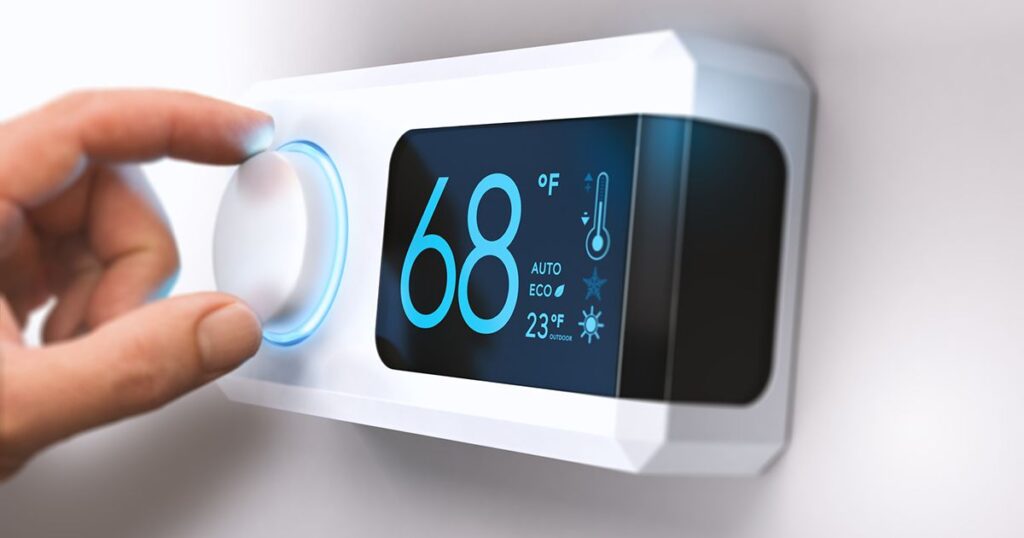
Heating your home is an unavoidable expense during colder months, but it doesn’t have to be expensive. There are plenty of ways to save energy when it comes to heating your home. With a few small changes, you can make your home more comfortable while significantly reducing your energy usage. 1. Invest in Programmable Thermostats Programmable thermostats are a great way to save energy in home heating. By pre-programming the thermostat, you can turn off the heat when you don’t need it and ensure your heater isn’t running unnecessarily. Set the temperature to an energy-saving level when you’re away from the house or asleep. 2. Install a Smart Sensor Smart sensors detect how much heat is needed in each room and can adjust the temperature accordingly. This means you don’t have to constantly adjust the thermostat and your heater is only working when it needs to be. 3. Upgrade to an Efficient Heating System Switching to a more efficient heating system, such as a heat pump, can save you a lot of energy. Heat pumps use less energy to produce the same amount of heat as a traditional furnace. Additionally, they can be used to both cool and heat your home, saving you money all year round. 4. Utilize Solar Power Solar energy is a great way to reduce your energy usage. Investing in solar panels can significantly reduce your energy bill as well as your overall carbon footprint. 5. Keep Drafts Away Drafts can cause your heater to work harder and use more energy than necessary. Caulk windows and doors to seal any drafts and keep your home at the desired temperature. 6. Insulate Your Home Proper insulation is key for energy savings in home heating. Make sure your attic, walls, and floors are properly insulated to keep heat in during the winter. 7. Utilize Window Coverings During the day, make sure your windows are open to allow sunlight to warm your home. When the sun sets, close the curtains or shades to keep the heat inside.

7 Smart Strategies for Saving Energy in Home Heating Read More »
Optimizing Glazing for Energy Efficiency in Windows and Doors

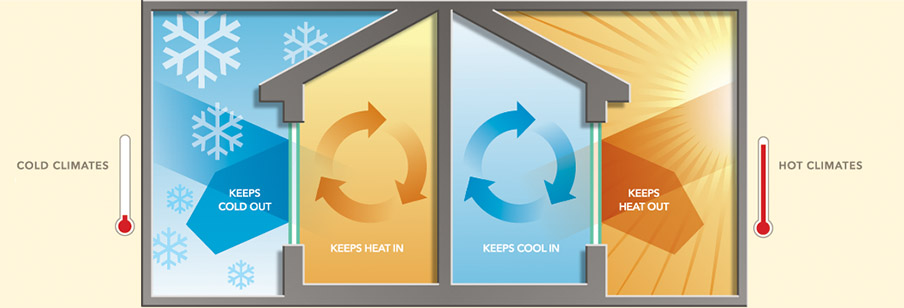
Windows and doors are not only a key part of home design, but also an important factor in energy efficiency. While traditional single-paned glass has been the standard for many years, the right glazing type can make a big difference in the amount of energy needed to keep your home comfortable Low-E glazing The most energy-efficient glazing type is Low-E glazing. This type of glazing is coated with a special metallic oxide layer that reflects heat and blocks UV rays, reducing the amount of energy needed to cool the home. Low-E glazing also helps reduce the amount of visible light entering the home, reducing the amount of glare. double-glazing Another type of energy-efficient glazing is double-glazing. This type of glazing consists of two pieces of glass with a sealed airspace between them. The airspace acts as an insulating barrier, trapping heat inside the home and preventing it from escaping. The double-glazing also helps reduce sound transmission. Insulated glazing Insulated glazing can also be an effective option for increasing energy efficiency. This type of glazing is made up of two glass panes with a sealed air layer between them and a plastic seal around the perimeter. The air layer helps reduce heat transfer, while the seal creates an extra layer of insulation. Weather stripping In addition to these glazing types, there are other ways to optimize windows and doors for energy efficiency. Weather stripping can be used to help seal gaps and prevent air leakage. And, tinted window film can be used to minimize heat gain during the summer months. By choosing the right glazing type and making other energy-efficient improvements, you can help reduce energy bills and help the environment. It’s important to consider the pros and cons of each glazing type and how they will affect your home. With the right combination of glazing and other improvements, you can save energy and money.

Optimizing Glazing for Energy Efficiency in Windows and Doors Read More »

Unlock the Benefits of Home Energy Efficiency: Start Saving Today!

Saving energy in your home is an important step in reducing your carbon footprint and lowering your utility bills. One way to do this is by choosing the right materials for your home’s construction and renovation projects. In this article, we will discuss the top materials that can help you save energy in your home. Insulation Insulation is one of the most important materials you can use to save energy in your home. Insulation helps to keep your home warm in the winter and cool in the summer by preventing heat loss and gain. There are several types of insulation available, including fiberglass, cellulose, and spray foam. Each type has its own benefits and drawbacks, so it’s important to choose the one that is best suited for your home. Windows Windows are another key area where you can save energy in your home. Windows can account for up to 25% of a home’s heat loss in the winter, and up to 30% of a home’s heat gain in the summer. To reduce this heat loss and gain, you should consider installing energy-efficient windows. These windows are made with special coatings that reflect the sun’s rays, and they are also designed to reduce heat loss. Roofing The roof of your home is also an important area to consider when trying to save energy. A poorly insulated roof can cause heat loss in the winter and heat gain in the summer, which will result in higher utility bills. To reduce this heat loss and gain, you should consider using a reflective roofing material. This type of roofing material reflects the sun’s rays, which can help to keep your home cooler in the summer. Siding The siding of your home can also play a big role in energy efficiency. Siding can help to keep your home warm in the winter and cool in the summer by preventing heat loss and gain. There are several types of siding available, including vinyl, wood, and fiber cement. Each type has its own benefits and drawbacks, so it’s important to choose the one that is best suited for your home. Doors Like windows, doors are another important area to consider when trying to save energy in your home. Doors can account for up to 15% of a home’s heat loss in the winter, and up to 20% of a home’s heat gain in the summer. To reduce this heat loss and gain, you should consider installing energy-efficient doors. These doors are made with special coatings that reflect the sun’s rays, and they are also designed to reduce heat loss. Lighting Lighting is another area where you can save energy in your home. Incandescent bulbs use a lot of energy, while compact fluorescent bulbs and LED bulbs use much less energy. By switching to more energy-efficient lighting, you can save a significant amount of money on your utility bills. Appliances The appliances in your home can also play a big role in energy efficiency. To save energy, you should consider using Energy Star-rated appliances. These appliances are designed to use less energy than standard appliances, which can help to lower your utility bills. Water Heating Water heating is another area where you can save energy in your home. To save energy, you should consider using an Energy Star-rated water heater. These water heaters are designed to use less energy than standard water heaters, which can help to lower your utility bills. In conclusion choosing the right materials for your home’s construction and renovation projects can help you save energy and lower your utility bills. By using insulation, energy-efficient windows and doors, reflective roofing and siding materials, energy-efficient lighting and appliances, and an energy-efficient water heater, you can achieve great levels of saving energy in you home.

Unlock the Benefits of Home Energy Efficiency: Start Saving Today! Read More »

Scroll to Top